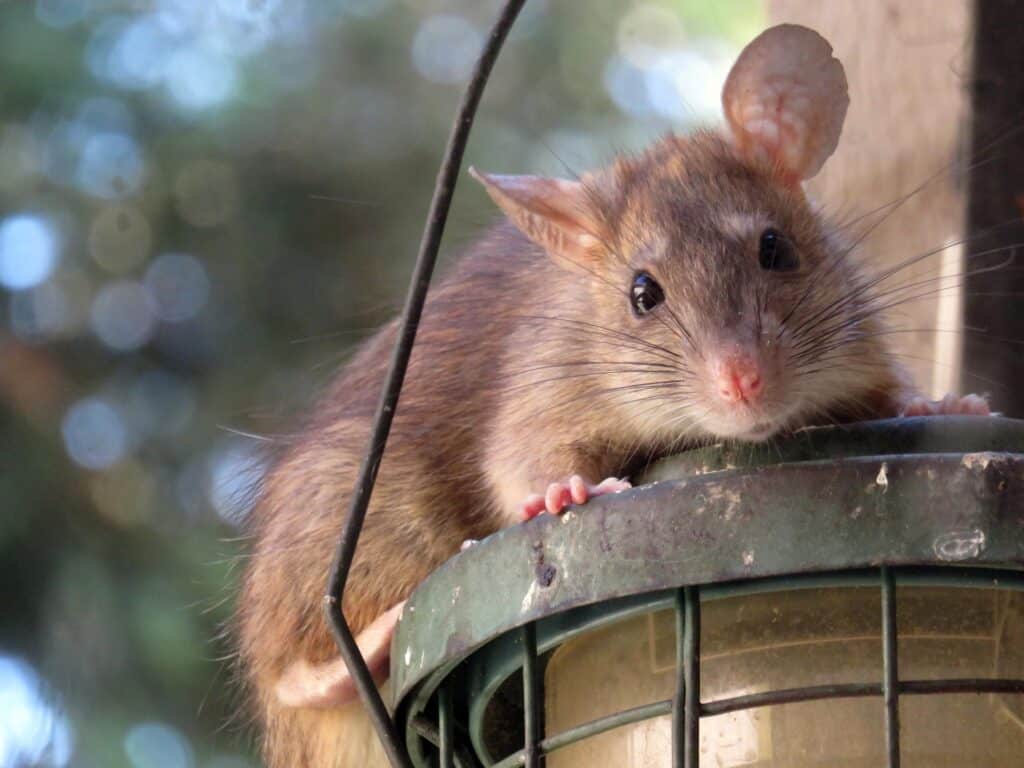
You’re probably familiar with the obvious problems rodents cause: the chewed electrical wires and the scattered droppings that signal their presence. But the impact of rats and mice on your home often runs much deeper than what’s immediately visible. Some of the biggest issues don’t become apparent until there’s already significant damage—or even risks to your family’s health. That’s why knowing what to watch for matters before these hidden problems escalate into costly repairs.
Most homeowners typically call in professional pest control only after seeing a rodent scurrying across the floor or hearing suspicious scratching in the walls. Unfortunately, by that point, these unwanted visitors have already left their mark in ways you might not expect. The damage they cause can extend far beyond the visible signs, affecting your home’s structure, efficiency, and even the air you breathe.
Let’s explore the less obvious but equally serious risks that rats and mice pose when they invade your living space.
Insulation Damage That Doesn’t Show Right Away
Rodents are particularly attracted to fiberglass insulation—not as a food source, but as an ideal material for tunneling and nesting. House mice and roof rats especially target attics, crawl spaces, and wall voids where insulation is abundant. They systematically tear up the material and move it around to create comfortable nesting areas. As they repeatedly travel through these spaces, they flatten the insulation with their bodies. Over time, this activity completely ruins the insulation’s effectiveness at maintaining your home’s temperature.
This type of damage might not seem like an urgent problem at first, but the consequences become increasingly apparent as seasons change. Damaged insulation leads to uneven heating and cooling throughout your home, creating uncomfortable hot and cold spots in different rooms.
Your energy bills begin to climb as your HVAC system works overtime to compensate for the poor insulation. Rooms that once maintained a comfortable temperature now feel persistently drafty. And unless you regularly inspect your attic or crawl spaces, you might not realize there’s a problem until your utility bills spike noticeably.
The cost of completely re-insulating affected areas can be surprisingly high, often ranging from several hundred to thousands of dollars depending on the extent of the damage. What makes this situation particularly frustrating for homeowners is that standard homeowner’s insurance policies don’t always cover rodent-related damage, as it’s typically considered preventable through proper maintenance.
Moisture Buildup and Mold Problems
Rodents urinate frequently—and in large colonies, this waste can build up remarkably fast. You might notice a persistent musty or ammonia-like smell, especially in enclosed areas where rodents are active. This odor comes from the urea and ammonia compounds in their urine. Over time, this moisture seeps into wooden structures, drywall, or even your subfloor, creating damage that extends far beyond surface-level concerns.
This continuous moisture introduction creates perfect conditions for mold growth in areas you can’t easily see or access. In homes with older or inadequate ventilation systems, that mold can spread quietly behind walls and under floors. Family members might begin experiencing increased allergy symptoms or respiratory issues without realizing the cause, with children and older adults typically being more sensitive to these environmental changes.
In severe cases, homeowners have opened walls during renovations only to discover soaked insulation and thick black mold growth, all triggered by rodent contamination that had been accumulating for months. Professional inspectors often use moisture meters to detect these hidden damp areas before visible mold appears, but by then, remediation can be extensive and expensive.
Structural Shifts and Soft Spots
Rodents don’t limit their activity to nesting, they’re also prolific burrowers. Norway rats in particular are powerful diggers that create extensive tunnel systems. They frequently burrow under foundations, decks, and walkways, gradually removing soil that provides crucial support for these structures. If enough soil under a structure shifts due to this tunneling activity, it can cause uneven settling that affects your home’s stability.
You might begin to notice subtle signs of this structural compromise: doors that suddenly stop closing properly, floors that develop a noticeable slope, or windows that become difficult to open or close. Sometimes, the change is gradual—a slow sag in a particular area of your home. In other cases, it manifests as small cracks appearing in drywall or along ceiling corners where stress is occurring due to the shifting foundation.
These structural issues aren’t simple or inexpensive to address. Leveling floors, reinforcing a sagging deck, or stabilizing a compromised foundation can cost thousands of dollars in repairs. What makes this problem particularly frustrating is that if the underlying pest issue isn’t properly resolved, the structural damage may recur as new rodents continue the same burrowing behavior. This ongoing structural damage represents one of the hidden costs of rodent infestations that most homeowners don’t anticipate until they’re faced with significant repair bills.
Air Quality Decline That Affects Your Whole Home
Perhaps the most overlooked impact of rodent activity is how it affects your home’s indoor air quality. This goes well beyond just the unpleasant odors, though those are certainly part of the problem. Rodent droppings and shed fur gradually break down into fine particulate matter over time. When your HVAC system activates, it can circulate these particles throughout your home through vents and ductwork.
You and your family might notice increased frequency of sneezing, coughing, or unexplained allergy symptoms that seem worse at home than elsewhere. Visitors who aren’t accustomed to the environment may comment on unusual smells or experience respiratory discomfort during their stay. These reactions are often your first indication that rodents may be affecting your home’s air quality.
While regularly replacing air filters can help mitigate some of these issues, it’s rarely sufficient if rodents remain active in your home. Even after successful rodent removal, thorough professional duct cleaning is often necessary to fully restore air quality and remove accumulated contaminants from your HVAC system. Without this step, residual allergens can continue circulating through your home for months after the rodents themselves are gone.
What to Do If You Suspect a Problem
Don’t make the mistake of assuming that spotting a single rodent represents an isolated incident. Where there’s one, there’s almost certainly more, possibly an established colony. Waiting to address the problem only gives rodents more time to nest, multiply, and spread damage throughout your home’s hidden spaces. The longer an infestation continues, the more extensive and expensive the eventual remediation becomes.
The most effective approach is to bring in pest control professionals who understand rodent behavior and can implement comprehensive control strategies. Our pest control service can take a look at your property, identify all active and potential entry points, and develop a customized plan to eliminate existing rodents while preventing future infestations.
If you’re noticing any of these warning signs—or simply want peace of mind regarding potential rodent control—don’t hesitate to get a free quote today. Our team will help assess your specific situation and create an effective rodent control plan tailored to your home’s needs and your family’s safety.