Phone Icon

(855) 948-5816

Aptive Pest Control Logo

5 Signs You Might Have a Rodent Problem in Your Home (and What to Do About It)

Written by Aptive Pest Control
Updated: May 21, 2026 Published: August 30, 2024

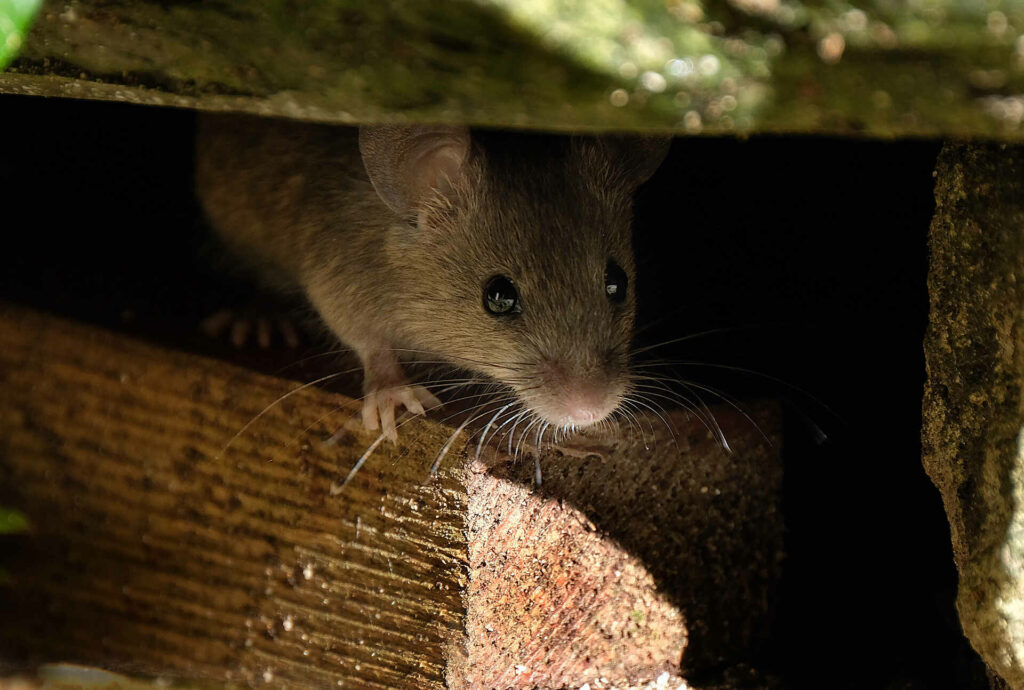
Sharing your home with furry friends can be delightful, but when those friends are uninvited mice or rats, the situation goes from charming to a real rodent problem.

Rodents can cause significant damage to your property, contaminate food and surfaces with bacteria, and even trigger allergies and asthma. The good news? There are telltale signs that will alert you to a potential rodent problem.

Let's explore five key signs of mice in your house and what steps you can take to address the issue.

1. Rodent Droppings

Perhaps the most common sign of rats or mice is the presence of droppings. These droppings, typically dark in color and about the size of a rice grain (for mice) or larger (for rats), can be found in various locations throughout your home, including:

  • Near Food Sources: Look in pantries, cabinets, drawers, around pet food bowls, and on countertops.
  • Hidden Areas: Droppings may be found in attics, basements, crawl spaces, and behind appliances.
  • Along Walls: Rodents tend to follow established paths, and droppings may accumulate along these runways.

The presence of fresh droppings (dark and moist) indicates an active infestation. Older droppings will be drier and grayer.

2. Gnaw Marks

Rodents constantly chew to wear down their growing incisors. Gnaw marks can be found on a variety of materials, including:

  • Food Packaging: Ripped or torn bags, boxes, and wrappers can indicate you need pest control for mice and rats.
  • Walls, Doors, and Baseboards: These gnaw marks may be entry points into your home or signs of burrowing activity.
  • Furniture and Electrical Wires: Rodents will chew on furniture legs, electrical wires, and other objects. Gnaw marks on electrical wires pose a severe fire hazard.

The size and location of the gnaw marks can help identify the type of rodent. Mice leave smaller gnaw marks (about the size of a pencil) compared to rats (which leave larger gnaw marks, roughly the size of a dime).

3. Strange or Out-Of-Character Pet Behavior

If your cat or dog seems unusually interested in a particular area, such as clawing or scratching at a wall or baseboard, it might be detecting the presence of rodents. This behavior is most common when the rodents have recently entered the home.

4. Tracks and Runways

Rodents typically follow established paths within your home. These runways may be visible as grease marks or smudges along walls or baseboards. You can also detect them by lightly dusting flour or baby powder on suspected runways. Rodent activity will leave footprints in the powder.

5. Signs of Nesting

Rodents build nests from a variety of soft materials, such as shredded paper, fabric scraps, or insulation. These nests are usually hidden in secluded areas like attics, basements, or behind appliances. Droppings or gnawing near a suspected nesting area can confirm rodent activity.

Taking Action Against a Rodent Problem

If you discover one or more of these signs, it's crucial to take immediate action. Here are some steps to follow:

  • Seal Entry Points: Inspect your home's exterior for potential entry points around pipes, wires, vents, and foundation cracks. Seal openings with appropriate materials like caulk or steel wool.
  • Consider Traps: Traps can be effective in eliminating existing rodents. However, proper placement and bait selection are crucial for safety and success.
  • Consider Professional Pest Control for Rats and Mice: For severe infestations or if you're uncomfortable handling rodents yourself, contacting a licensed pest control service is highly recommended.

Remember, a quick response is key to preventing rodent infestation from becoming a larger problem. Recognizing the signs and taking decisive action can keep rodents out of the home and protect your family's health and safety.

If you're ready to learn more about rodent treatment solutions for your home, Contact Aptive, we’re ready to help.

Learn more about rodents

3 Intriguing Facts About Rats 3 Little-Known Ways House Mice Use Plants as Highways Into Homes 4 Unexpected Ways Rodents Impact Your Home 5 Signs You Might Have a Rodent Problem in Your Home 8 Ways to Control and Remove Rodents from Your Home All About Cotton Rats – Identifying and Prevention Are Mice Active During the Day or Night? Are Norway Rats Dangerous? Can House Mice Survive the Winter in My Attic? Can Mice Get in Your Car? Can Rats Climb Walls? How to Seal Your Home to Prevent Entry Chewed Wires Behind My Fridge: Is It a Mouse or a Rat? How to Tell Common Misconceptions About Rodents in Urban Areas Diseases Carried by Mice & Rodents Do Mice Leave a Smell Behind? Do Pet Rodents Attract Wild Ones? Do Rats Spread Fleas and Ticks? How to Minimize the Risk Does Peppermint Oil Repel Mice? Dryer Vents: Small Openings, Big Rodent Impact House Mice vs. Deer Mice: What You Need to Know House Mice vs. Field Mice: Key Differences Explained How a Rodent Infestation Can Ruin Your Home How Cold Weather Affects Mouse Activity Indoors How Cotton Rats Help Spread Other Pests How Do You Know If You Have a Rat Nest in the Walls? How Long Do Rats Live? 3 Factors Affecting Rat Lifespan How Rodents Learn Human Routines in Shared Spaces How to Get Rid of Norway Rats How to Keep Rodents Out of Your Attic This Winter How to Keep Voles Out of the Garden in 3 Simple Ways How to Treat Mice in the Home How Weather-Sealing Gaps Around Garage Doors Prevents Rodent Entry Mice in the Garage: Weatherstripping and Storage Mice vs. Rats – How to Identify and Prevention Mouse Proofing 101: How to Catch a House Mouse Norway Rat Burrows in Lawns: Signs & Safety Norway Rats vs Roof Rats: What's the Difference? Pack Rats: Identification, Facts, and Preventing Protecting Against Rat & Mice: The Where and When of Rodent Activity Rat Infestation Season: When Are Rats Most Active? Rats Chewing Car Wires: What to Change Rats Chewing Wires: Can They Cause a Fire in My Home? Rats in Homes: How Common Are They Really? Rodent Control: Keeping Rodents Out of Your Grill and Outdoor Kitchen Rodents Under Sheds and Decks: What to Know Roof Rats in Structural Crevices: What to Know Signs of a Mouse Infestation Signs of Rats in the Yard: Before They Get Inside The Most Common Rodents in the US The Rodent Riddle: A Guide to Rat Control and Identification The Surprising Reason Jumping Mice Store Food in Unusual Places The Three Worst Rodents that Could Infest Your Home Ultimate Guide: How to Identify Mouse Poop in Your Home Vole Damage in the Lawn? Identifying and Repairing the Harm Voles 101: What Are Voles? What Are Deer Mice and How to Get Rid of Them What Are the Most Effective Ways to Deal with Mice in the Attic? What Diseases can Rats Spread to Humans? What Do Rat Droppings Look Like? What Do Rats Eat in My House? Targeting Their Food Sources What Rodent Droppings Reveal About Infestation Age What Time Are Rats Most Active Indoors? What’s the Difference Between a Rat and Mouse? White-Footed Mouse vs Deer Mouse: What Are the Differences? Why Do Roof Rats Prefer Attics to Basements? Why Rats Have Poor Eyesight but Excellent Navigation Skills Why Rodents Thrive in Urban Environments Why You Should Never Ignore Rodent Noises at Night Will My Cat Keep Mice Away?

Curated articles for you, from our pest experts.

A Detailed Image Of A Norway Rat Walking Across A Log Surrounded By Ivy And Dead Leaves In An Outdoor Setting.

The Top 6 Most Common Pests in Georgia

Georgia’s pest activity is shaped by a humid subtropical climate, long warm seasons, and a landscape that ranges from barrier islands and salt marshes to the rolling Piedmont and the Blue Ridge foothills.

Jan 21, 2026
A Close-Up Image Of A Brown Roof Rat Perched On A Weathered Green Metal Lantern, With Its Large Ears, Long Whiskers, And Inquisitive Eyes Facing The Camera. The Background Is Softly Blurred With Dappled Light And Trees.

The Top 5 Most Common Pests in California

California's Mediterranean and semi-arid climates with mild winters, extended warm seasons, and diverse microclimates create ideal conditions for numerous pest species remaining active year-round...

Jan 19, 2026

Take back your home with rodent control today.