As a responsible pet owner, you naturally want to provide the best care for your beloved hamsters, guinea pigs, or other pet rodents. However, you might find yourself wondering whether these furry family members could inadvertently be attracting wild mice or rats to your home. This concern becomes particularly pressing if you’re already managing other household pest issues or have noticed signs of uninvited rodent visitors.
Understanding the relationship between domestic and wild rodents helps you make informed decisions about pet care while maintaining effective rodent control around your home. The answer involves examining what truly attracts wild rodents and how pet ownership might influence these attraction factors, enabling you to enjoy your pets while protecting your property from unwanted invaders.
What Makes Wild Rodents Different?
Pet rodents live fundamentally different lives compared to their wild counterparts, and understanding these distinctions helps clarify the relationship between domestic animals and potential pest problems. Domesticated rodents like hamsters, guinea pigs, and pet rats depend entirely on human care for survival, living in controlled environments with regulated feeding schedules and protected housing.
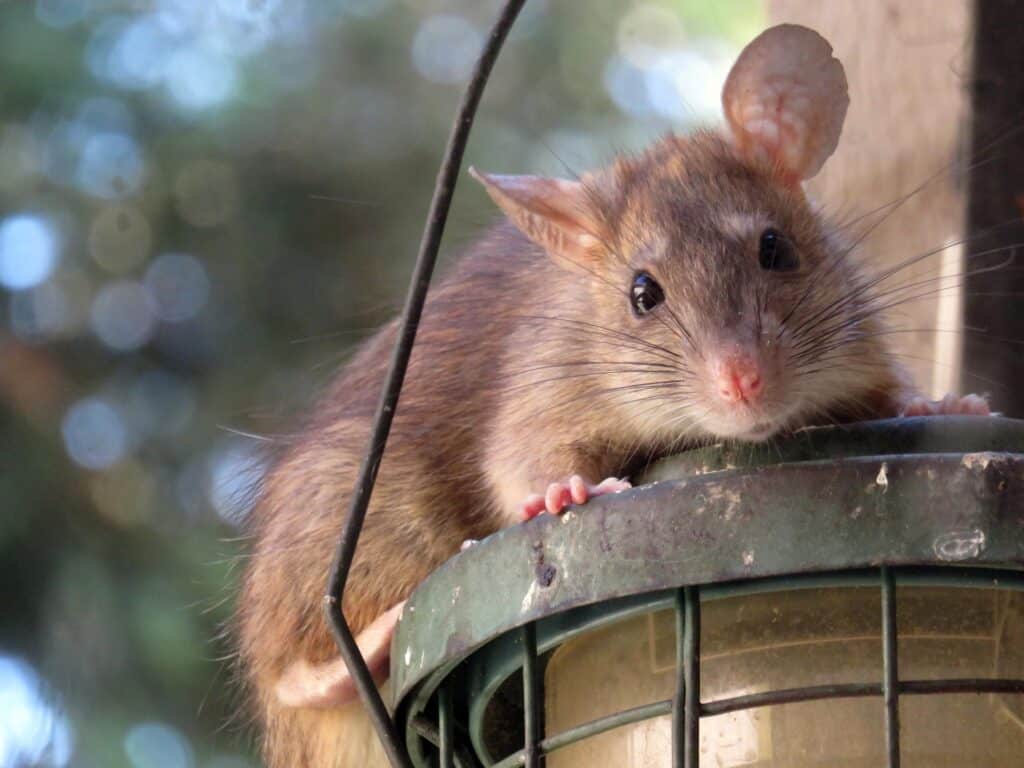
Wild rodents such as house mice and Norway rats operate as opportunistic survivalists, constantly searching for resources that ensure their continued existence. Their priorities center on locating easily accessible food sources, warm shelter protected from weather and predators, consistent water or moisture sources, and suitable nesting materials for reproduction and protection.
Unlike your caged pets, wild rodents roam freely throughout environments, possess remarkable infiltration abilities that enable them to squeeze through openings as narrow as pencil width, demonstrate exceptional climbing and jumping capabilities for accessing elevated areas, and maintain constant vigilance for new resource opportunities.
Wild rodents also reproduce much more rapidly than most pet species, with some mice capable of producing litters every three weeks under favorable conditions. This reproductive capacity means that small initial populations can quickly expand into significant infestations when resources remain available.
These fundamental differences explain why wild rodents pose persistent challenges for homeowners while pet rodents remain manageable, contained companions that don’t typically create property damage or health concerns.
What Attracts Wild Rodents to Your Home?
Wild rodents make calculated decisions about where to establish themselves based on resource availability rather than the presence of other rodent species. Understanding these true attractants helps homeowners focus prevention efforts on factors that actually influence wild rodent behavior and invasion patterns.
Core attraction factors include:
- Food accessibility: Unsealed food products including grains, cereals, pet foods, and birdseed provide immediate nutrition sources that wild rodents actively seek. Improperly stored trash containing food scraps, accessible compost materials with organic waste, and pet food bowls left accessible overnight all represent high-value targets.
- Shelter opportunities: Cluttered storage areas offering concealment and nesting materials, structural gaps around foundations, ventilation systems, or door frames that provide entry points, and undisturbed spaces like attics, basements, or wall voids where rodents can establish colonies without interference.
- Water sources: Plumbing leaks, condensation around appliances, pet water dishes, and areas with poor drainage that create ongoing moisture availability essential for rodent survival.
- Environmental conditions: Warm areas near heating systems, appliances, or insulation that provide comfortable temperatures, especially during colder months when outdoor survival becomes challenging.
Even meticulously maintained homes can harbor potential attraction factors through minor food spills, small structural gaps, or moisture issues that create opportunities for persistent wild rodent populations seeking resources for survival and reproduction.
Do Pet Rodents Increase Your Risk?
While wild rodents aren’t specifically attracted to your pet hamsters or guinea pigs themselves, pet ownership can create environmental conditions that inadvertently appeal to opportunistic wild species. These indirect attraction factors require careful management to prevent your beloved pets from unintentionally contributing to household pest problems.
Pet-related risk factors:
- Food storage and handling: Pet rodent food including pellets, seeds, and treats can attract wild mice if stored in original packaging or containers that allow scent dispersal. Dropped food particles beneath cages or along baseboards create readily accessible nutrition sources that wild rodents quickly discover and exploit.
- Bedding and nesting materials: Soft cage bedding materials such as shredded paper, wood shavings, or fabric items may appeal to wild rodents seeking comfortable nesting materials for their own reproduction and shelter needs.
- Scent attraction: Rodents possess exceptionally sensitive olfactory systems that detect food odors and animal scents from considerable distances. Consistent pet-related scents may trigger exploratory behavior in wild rodents investigating potential resource opportunities.
- Maintenance challenges: Infrequent cage cleaning, accumulated waste materials, or moisture buildup around pet areas can create conditions that simulate the environments wild rodents seek for nesting and feeding.
The key distinction involves recognizing that pet ownership doesn’t automatically attract wild rodents, but inadequate management of pet-related resources and environments can create the accessibility and opportunity factors that wild rodents actively seek when selecting invasion targets.
Signs Wild Mice Are Nearby
Early detection of wild rodent presence enables prompt intervention before small problems develop into major infestations. Pet owners should remain particularly vigilant for signs of activity near pet supplies and food sources.
Key warning signs:
- Small, dark pellet-shaped droppings along baseboards or behind appliances.
- Gnaw marks on cardboard packaging, plastic containers, or wooden surfaces.
- Scratching or scurrying sounds in walls, especially at night.
- Chewed holes in food containers or pet supply storage.
- Unusual pet behavior including increased agitation or alertness.
- Unexplained musty or ammonia-like odors suggesting rodent presence.
Prompt recognition enables intervention before populations establish secure nesting locations throughout your home.
How to Minimize Risk
Protecting your home from wild rodent invasion while maintaining proper pet care requires implementing prevention strategies that address both pet-related risk factors and general household vulnerabilities. Successful prevention focuses on eliminating the accessibility factors that attract wild rodents rather than removing beloved pets.
- Pet supply management: Store all pet food in heavy-duty, airtight containers made from metal or thick plastic that prevent scent dispersal and gnawing access. Establish daily cleaning routines beneath and around pet cages to eliminate dropped food particles before they attract wild foragers. Replace bedding materials regularly to prevent scent accumulation and moisture buildup that might appeal to wild rodents seeking nesting locations.
- Structural protection: Conduct systematic exterior inspections identifying and sealing gaps around utility penetrations, foundation cracks, and ventilation openings using appropriate materials including steel wool and caulking. Install metal mesh screening in crawl spaces, attic vents, and other areas where exclusion must maintain airflow while preventing rodent access.
- Sanitation protocols: Avoid leaving pet food, treats, or water accessible overnight when wild rodents conduct most foraging activities. Implement frequent waste removal from pet areas to prevent odor buildup and organic material accumulation. Clean cage surfaces and surrounding floor areas regularly using disinfectant solutions that eliminate scent markers.
- Environmental modifications: Reduce clutter in storage areas where both pet supplies and wild rodents might find shelter. Address moisture issues including plumbing leaks, condensation problems, and drainage issues that provide water sources essential for wild rodent survival.
These comprehensive approaches enable continued enjoyment of pet ownership while significantly reducing the environmental factors that enable wild rodent establishment. If you have any concerns about diseases that wild rodents carry, then it is often worth it to contact a professional pest control service for advice.
When to Call for Help
For comprehensive management of wild rodent problems that may be linked to pet ownership, professional pest control services offer the most effective solutions. These experts can accurately distinguish between pet-related concerns and genuine wild rodent infestations, implementing targeted treatment strategies that address both current rodent activity and the environmental factors that pet ownership might inadvertently create. They have access to safe, pet-friendly treatment methods and the expertise to apply them effectively while protecting your beloved animals.
If you’re dealing with wild rodent activity around your pet areas despite your best prevention efforts, contacting a professional pest control service like Aptive is your best option for effective resolution. They offer a free quote and can develop a customized treatment plan that protects both your pets and your property, providing lasting relief from wild rodent problems while ensuring your pet care routine remains safe and uncompromised.
Frequently-Asked Questions About Rodents
Here are some commonly-asked questions from pet owners about wild rodents.
Q: Can pet rodents carry diseases?
Pet rodents from reputable breeders or pet stores carry minimal disease risk when properly cared for. However, they can potentially transmit some illnesses through bites, scratches, or contact with their waste. Regular veterinary care, proper hygiene when handling pets, and maintaining clean cages reduce risks significantly. The greater concern is that pet supplies and environments might attract wild rodents, which carry more serious diseases and health risks to humans.
Q: What are the most common diseases carried by wild rodents?
Wild rodents carry several serious diseases including hantavirus (potentially fatal respiratory illness from deer mice), salmonella and leptospirosis (bacterial infections), rat-bite fever, and tularemia. They also spread diseases through parasites like fleas and ticks that carry plague, typhus, and Lyme disease. Additionally, their droppings can trigger allergic reactions and asthma. Unlike pet rodents, wild species have extensive pathogen exposure from outdoor environments and contaminated food sources.
Q: What should I do if I have a wild rodent infestation?
Contact professional pest control immediately for safe, effective elimination. Avoid DIY trapping or cleanup that could expose you to diseases, especially with deer mice carrying hantavirus. Don’t vacuum droppings, which can aerosolize dangerous particles. Secure pet food in sealed containers, eliminate water sources, and seal entry points. Professional technicians use proper safety protocols, identify species-specific risks, and implement comprehensive control strategies that protect both your family and pets.