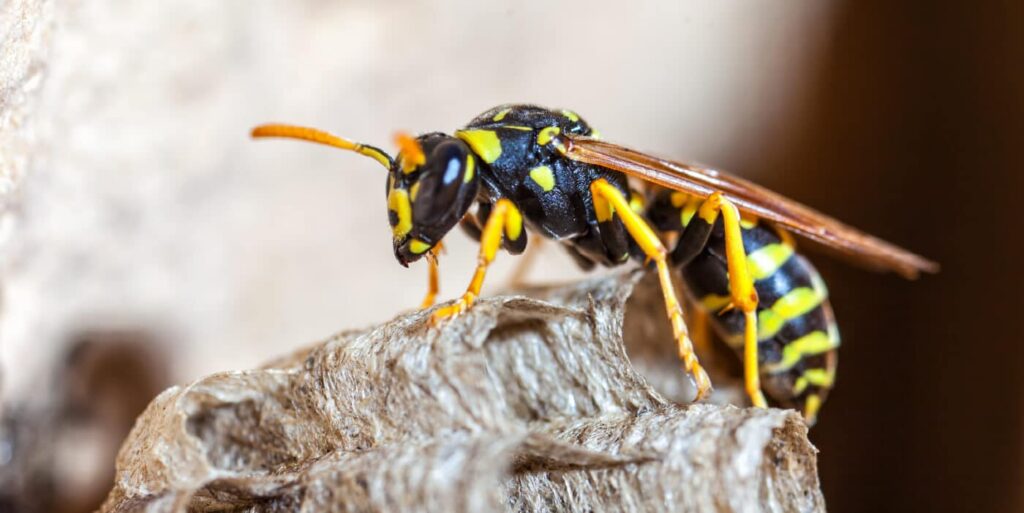
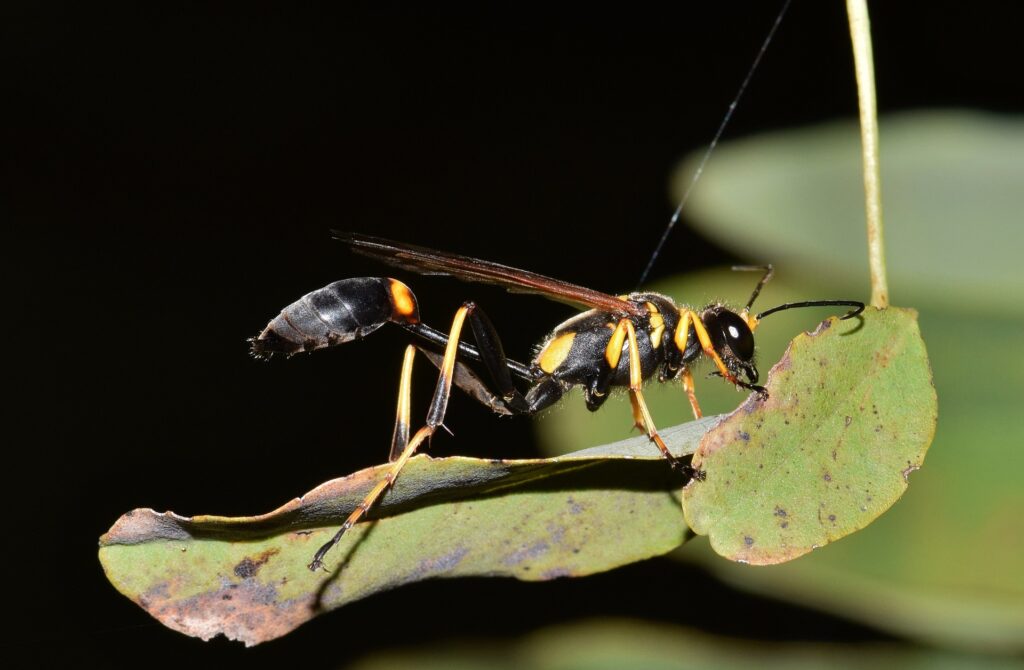
To keep wasps away from your property, focus on removing food sources, eliminating standing water, and sealing potential nesting sites. Effective wasp prevention involves a year-round strategy of maintaining clean outdoor spaces, repairing home structural gaps, and using natural wasp repellent to discourage queens from settling.
Wasps can quickly become a nuisance when they build nests around homes, patios, or outdoor living areas. Since wasps are protective of their nests and capable of painful stings, preventing them from settling near your home is often the best solution. Understanding what attracts wasps and taking a few preventative steps throughout the year can help reduce the chances of a nest forming nearby.
Below are several effective wasp prevention tips homeowners can use to help keep wasps away.
What attracts wasps to your home?
Before learning how to keep wasps away, it’s important to understand what attracts them in the first place. Wasps are typically drawn to areas that provide food, water, and shelter for building nests.
Food sources
Food sources are one of the most common attractants. Sugary drinks, ripe fruit, pet food, and uncovered garbage can easily draw wasps into your yard. Outdoor gatherings where food and drinks are left exposed can also attract wasps searching for an easy meal.
Water sources
Water sources can encourage wasps to stay nearby. Birdbaths, pet bowls, leaky hoses, and standing water provide the moisture wasps need during warm months.
Shelter and nesting spots
Sheltered nesting areas make your property an appealing place for wasps to build nests. Roof eaves, porch ceilings, attics, sheds, and wall cavities all provide protected spaces for wasps. By reducing these attractants around your home, you can make your property less appealing to wasps looking for a place to settle.
How to keep wasps away from your home
One of the most effective ways to practice wasp prevention is by maintaining a clean and well-kept outdoor space. Dispose of food scraps quickly, keep trash cans sealed with tight-fitting lids, and clean up spills from sugary drinks that may attract wasps. If you have fruit trees, regularly remove fallen fruit so it doesn’t become a food source.
It’s also important to inspect your home for areas where wasps may try to build nests. Seal cracks, repair damaged siding, and close gaps around vents or rooflines that could provide shelter. Checking your property periodically, especially in the spring, for small starter nests can also help prevent a wasp infestation from developing later in the season.
Seasonal wasp prevention tips
Since wasp activity changes throughout the year, adjusting your prevention efforts by season can help reduce the chances of a nest forming near your home.
Spring
Spring is the most critical time for wasp nest prevention as this is the season when queen wasps begin searching for places to start new colonies. This is one of the best times to inspect your home for early nest activity. Removing small starter nests or sealing potential nesting spots can help stop a colony from forming in the summer.
Summer
During summer, wasp colonies grow rapidly and activity increases. Continue keeping outdoor areas clean and removing food sources that may attract wasps. Regularly check eaves, sheds, and outdoor structures for developing nests.
Fall/Winter
While wasp activity slows down in colder months, this is a good time to repair damaged areas around your home and remove old nests. Preparing your home during this time can help reduce nesting opportunities in the spring.
DIY wasp repellents and deterrents
There are a few DIY wasp repellents and deterrents that homeowners can try to help keep wasps away from common nesting areas. Peppermint oil or clove oil sprays are sometimes used as a natural wasp repellent around eaves, patios, or other sheltered spots where wasps may build nests. Certain plants that repel wasps – such as spearmint, basil, and wormwood – can also be placed near entry points as a chemical-free deterrent. Strong scents like these may help discourage wasps from settling nearby.
Commercial traps and wasp repellent products, including wasp spray, can also help reduce activity around outdoor spaces when used according to instructions. Utilizing a physical wasp deterrent – such as sealing entry points or installing screens – may also make your property less appealing for nesting.
When to call a professional for wasp prevention
While many wasp prevention strategies can help reduce activity, some situations require professional wasp control. Large nests, aggressive species such as yellow jackets, or nests located inside walls or roofs can be difficult and potentially dangerous to handle on your own.
Professional pest control services can safely remove existing nests and help identify conditions around your home that may attract wasps. Addressing these issues early can help prevent a wasp infestation and keep your property more comfortable throughout the year.
Aptive Pest Control provides year-round wasp control services performed by trained professionals who can help manage wasp activity and other common pests. If pests return between scheduled visits, so will Aptive – at no additional cost.
Wasp prevention FAQs
What keeps wasps away?
The most effective tips to keep wasps away include eliminating food and water sources, sealing potential nesting sites around your home, and using scent-based deterrents in areas where wasps are likely to build nests. What wasps hate most is disruption to their search for food and shelter – so keeping outdoor spaces clean, trash cans sealed, and cracks or gaps around your roofline sealed goes a long way. For persistent activity, combining these preventative habits with professional wasp control services is a more reliable long-term solution.
What smell do wasps hate?
Wasps are highly sensitive to strong, sharp scents. Peppermint oil is one of the most widely referenced natural wasp repellents, and scents like clove, lemongrass, geranium, and eucalyptus are also believed to deter wasps from nesting nearby. Keep in mind that scent-based methods work as a complement to other wasp prevention strategies, not as a standalone solution.
When are wasps most active?
Wasps are most active during the warmer months, with activity ramping up in late spring and peaking through mid to late summer. This period also coincides with when wasps are most aggressive, as colonies reach their largest size and workers become increasingly protective of the nest.
When are wasps most aggressive?
In late summer and early fall, wasps can become even more aggressive – as the colony begins to die off, workers lose their structured roles and spend more time foraging for sugary foods, which is why late-season outdoor gatherings often attract more wasp attention. Wasp activity typically slows significantly once temperatures drop in autumn, and nests are completely inactive by winter.
Are there plants that repel Wasps?
Certain plants that repel wasps can serve as a natural, chemical-free deterrent when placed strategically around your outdoor spaces. Spearmint, basil, wormwood, marigolds, and lemongrass are among the plants most commonly associated with keeping wasps away.
While plants alone are unlikely to eliminate wasp activity entirely, incorporating them near doors, patios, or outdoor dining areas can be a helpful addition to a broader wasp prevention strategy – alongside sealing entry points, removing food sources, and scheduling professional wasp control when needed.