Not all spiders make webs, with approximately half of all spider species hunting actively without constructing silk traps, relying instead on speed, stealth, ambush tactics, or jumping abilities to capture prey.
Web-building spiders represent only one evolutionary strategy among diverse spider families, while hunting spiders including wolf spiders, jumping spiders, and huntsman spiders have abandoned web construction in favor of active predation. Understanding which spiders build webs versus hunt freely helps identify species encountered in homes and explains the varying spider behaviors homeowners observe.
Why do spiders make webs?
Spiders make webs primarily as highly efficient prey-capture devices that work continuously without active hunting effort, allowing web-building spiders to trap flying and crawling insects while expending minimal energy waiting in or near their silk structures.
Webs function as both hunting tools and sensory extensions, with vibrations traveling through silk strands alerting spiders to struggling prey, potential mates, and approaching threats. Different web architectures including orb webs, funnel webs, sheet webs, and tangled cobwebs represent specialized designs optimized for capturing specific prey types in particular habitats.
Web-building also provides additional benefits including shelter from weather and predators, protective egg sac attachment points, and dragline safety anchors preventing falls. The metabolic cost of silk production is offset by efficient prey capture, making webs energetically advantageous compared to active hunting for many spider species.
Which types of spiders don’t make webs?
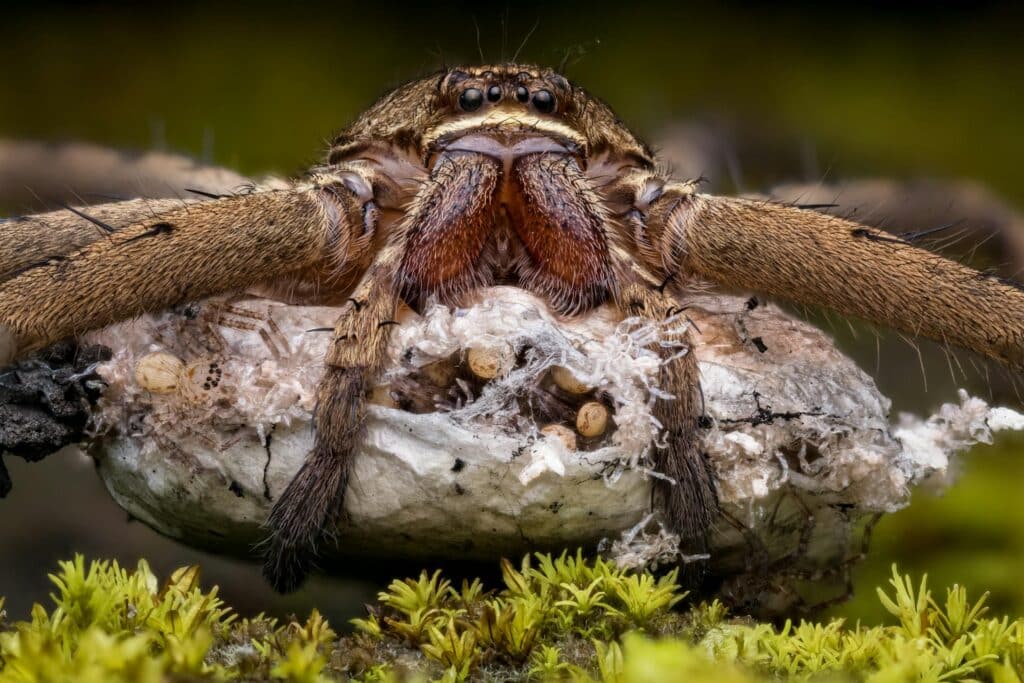
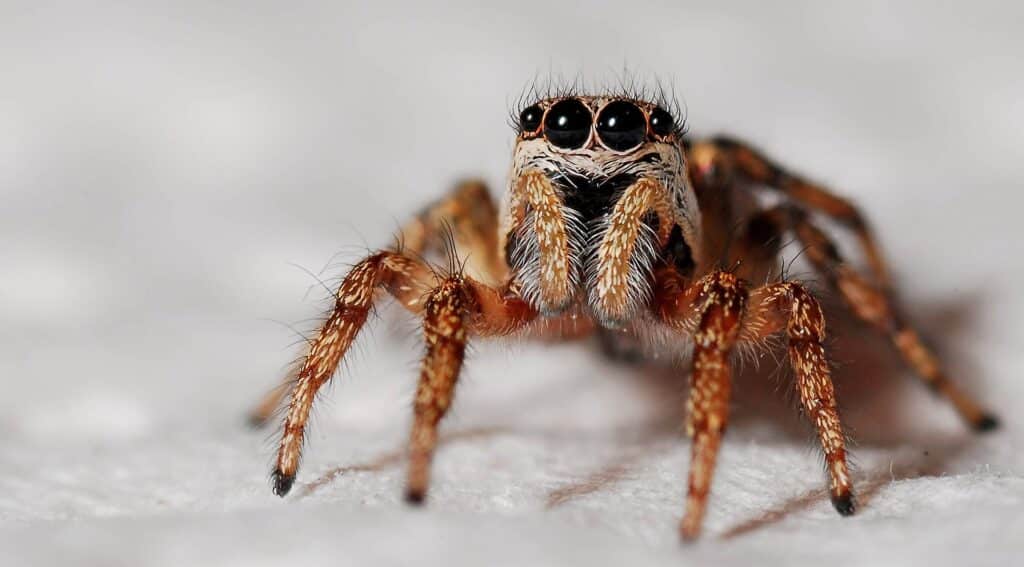
Non-web-building spiders include wolf spiders that hunt on the ground using speed and excellent vision, jumping spiders that stalk and pounce on prey with precision leaps, huntsman spiders that chase down prey with incredible speed, and various ambush predators including trapdoor spiders and crab spiders.
These hunting spiders possess enhanced sensory capabilities including superior eyesight compared to web-builders who rely primarily on vibration detection through silk. Wolf spiders are common ground hunters frequently encountered in homes, while jumping spiders display remarkable vision and intelligence when stalking prey.
Fishing spiders hunt near water, lynx spiders actively chase prey on plants, and sac spiders construct silk retreats for resting but hunt freely without prey-capture webs. These active hunters generally have more robust bodies and stronger legs than web-building relatives, reflecting their need for speed and agility.
Are spiders who don’t make webs dangerous?
Most non-web-building spiders are not dangerous to humans, with common hunting spiders including wolf spiders, jumping spiders, and huntsman spiders possessing venom sufficient only for subduing small prey without causing significant harm to people.
Their larger size and active hunting behavior may appear more intimidating than passive web-builders, though bites from common hunting spiders produce only minor localized reactions comparable to bee stings. However, some hunting spiders including Brazilian wandering spiders and certain Australian funnel-web spiders rank among the world’s most dangerous spiders with potentially lethal venom.
In North America, the brown recluse represents the most medically significant hunting spider, though its non-aggressive behavior means bites remain relatively uncommon despite its dangerous necrotic venom.
How to know if you have a spider infestation
Spider infestations create distinctive signs throughout affected structures:
- Numerous visible spiders and webs: You might notice multiple spiders on walls, floors, and corners accompanied by extensive webs (if web-building species) or frequent spider sightings without webs (if hunting species) indicating established populations.
- Egg sacs in various locations: It’s common to find silk egg sacs containing dozens to hundreds of developing spiderlings hidden in corners, under furniture, or in undisturbed areas signaling active breeding activity.
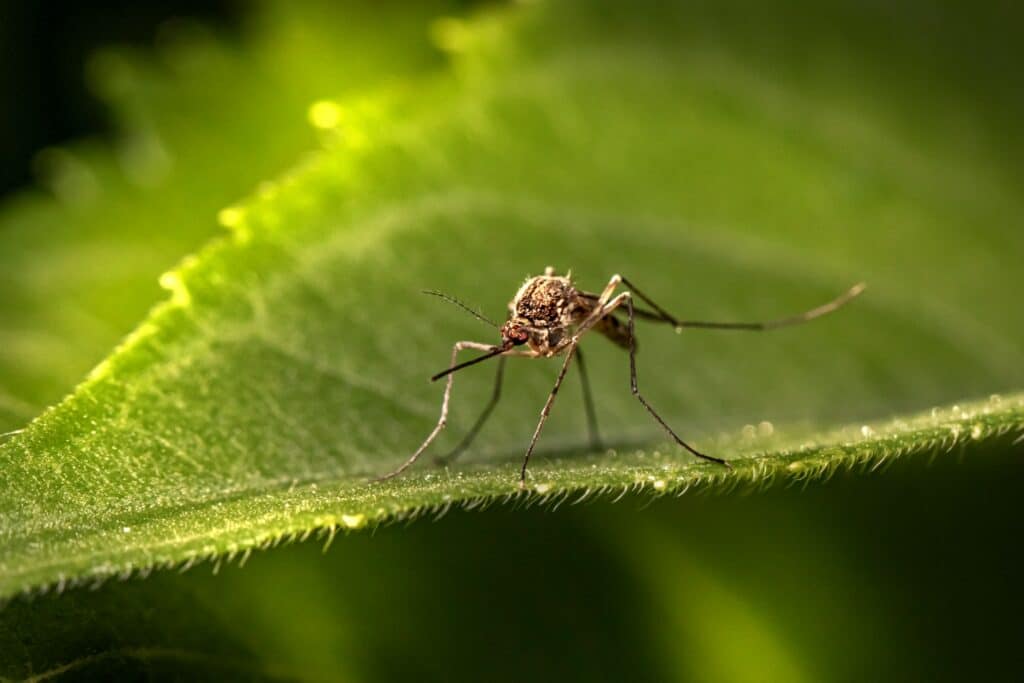
- High numbers of prey insects: You’ll likely observe abundant flies, mosquitoes, moths, or other insects attracting and supporting large spider populations feeding on readily available prey sources throughout your home.
- Spider molts and dead specimens: You might discover discarded exoskeletons from molting and dead spider bodies accumulating in corners indicating ongoing population turnover and spider density exceeding normal occasional presence levels.
How to get rid of a spider infestation
Eliminating spider infestations requires comprehensive approaches targeting both spiders and underlying conditions:
- Remove webs and visible spiders: Vacuum or sweep away all webs, egg sacs, and spiders throughout structures, paying attention to corners, ceilings, basements, and storage areas where spiders concentrate their populations.
- Eliminate prey insect sources: Address underlying insect problems attracting spiders by improving sanitation, sealing food sources, repairing damaged screens, and reducing exterior lighting that draws flying insects spiders feed upon.
- Seal entry points throughout structure: Caulk cracks around windows, doors, foundations, and utility penetrations preventing spiders from entering buildings while reducing access to favorable hiding spots and nesting locations.
- Reduce clutter and habitat: Remove boxes, stored materials, woodpiles, and debris providing spider shelter, particularly in garages, basements, and outdoor areas adjacent to structures where spiders establish territories before entering homes.
When it is time to talk with the professionals
When dealing with spider problems creating concerns throughout your home, or when you need expert identification distinguishing harmless spiders from potentially dangerous species, professional pest control services can help with spider control. At Aptive, our pest control experts can distinguish between beneficial web-building spiders and hunting spiders, ensuring proper identification and treatment approaches.
If you’re experiencing excessive spider activity throughout your property, need help identifying whether spiders in your home are harmless species controlling insect populations or problematic infestations requiring intervention, or want guidance on managing spider populations, don’t wait—contact Aptive today for a free quote.