You discover spiders inside lampshades, light fixtures, or glass bulb covers, wondering how they accessed these enclosed spaces and why they choose these locations over other household areas.
Household spiders enter light fixtures through small gaps around fixture mountings, ventilation holes in housings, cord openings, or connections to wall voids and attics, establishing inside because fixtures attract abundant flying insect prey drawn to artificial light, provide warmth from bulb operation, and offer protected undisturbed spaces ideal for web construction and egg laying away from household traffic and predators.
The combination of food concentration and favorable microenvironments makes light fixtures among the most spider-attractive locations in homes.
How Spiders Slip Into Light Fixtures
Light fixtures appear sealed but actually contain numerous small openings enabling spider entry, with additional access through building voids connecting fixtures to hidden spaces within walls and ceilings.
Fixture mounting gaps: Ceiling and wall-mounted light fixtures attach to electrical boxes through mounting brackets, with gaps around attachment points typically measuring several millimeters—more than adequate for most household spiders measuring just a few millimeters body width. These gaps enable direct access from ceiling voids into fixture interiors.
Ventilation openings: Many enclosed fixtures include ventilation holes preventing heat buildup from bulbs, with perforations or louvers around fixture tops or sides providing intentional openings. While designed for air circulation, these same openings permit spider entry seeking the warmth and prey inside.
Cord and switch gaps: Table and floor lamps demonstrate openings where electrical cords enter bases and shades attach to harps, creating access points spiders easily exploit during wall or furniture climbing. Even seemingly tight-fitting lampshades show small gaps at attachment points.
Shade materials: Fabric, paper, and woven lampshades aren’t sealed materials—their porous or perforated structures enable spiders to walk directly through material or along edges seeking interior positions. Only solid glass or plastic shades prevent direct material penetration.
Electrical box connections: Ceiling fixtures connect to electrical boxes recessed into ceilings, with these boxes often communicating with attic spaces or wall voids through unsealed openings around wiring penetrations. Spiders living in attics or walls follow temperature gradients or air currents finding paths into fixture interiors.
Flexible bodies enable passage: Most household spiders including cellar spiders, cobweb spiders, and sac spiders possess flattened, flexible bodies enabling passage through gaps narrower than their leg spans. Any opening wider than their body thickness—often just a couple millimeters—permits access.
Why Lights Attract Spider Prey
Artificial lighting attracts numerous flying insect species through phototaxis (light-seeking behavior), concentrating prey around fixtures and creating productive hunting grounds for spiders.
- Moth attraction: Various moth species demonstrate strong positive phototaxis, with artificial lights triggering navigation responses that evolved for using moonlight and starlight as orientation cues. Moths circling lights eventually collide with or rest on fixtures, becoming available to waiting spiders.
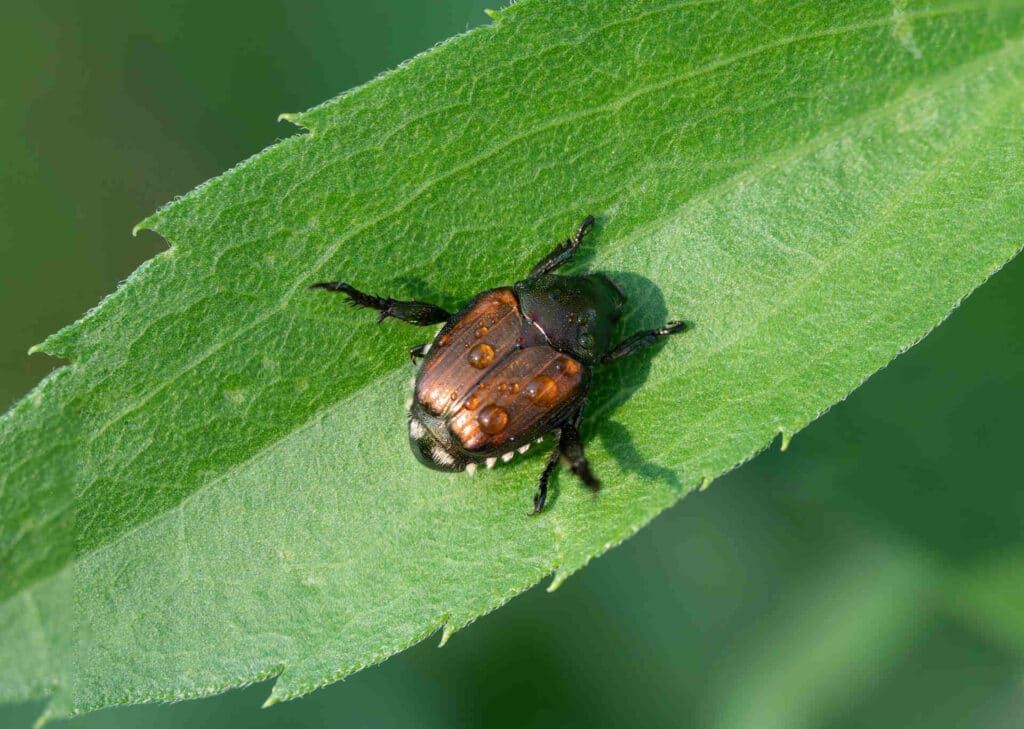
- Flying beetles: June bugs, carpet beetles, click beetles, and other flying beetles navigate using light cues, with indoor lights attracting individuals during evening hours when they’re naturally active. These insects provide substantial meals for spiders given their size compared to smaller prey.
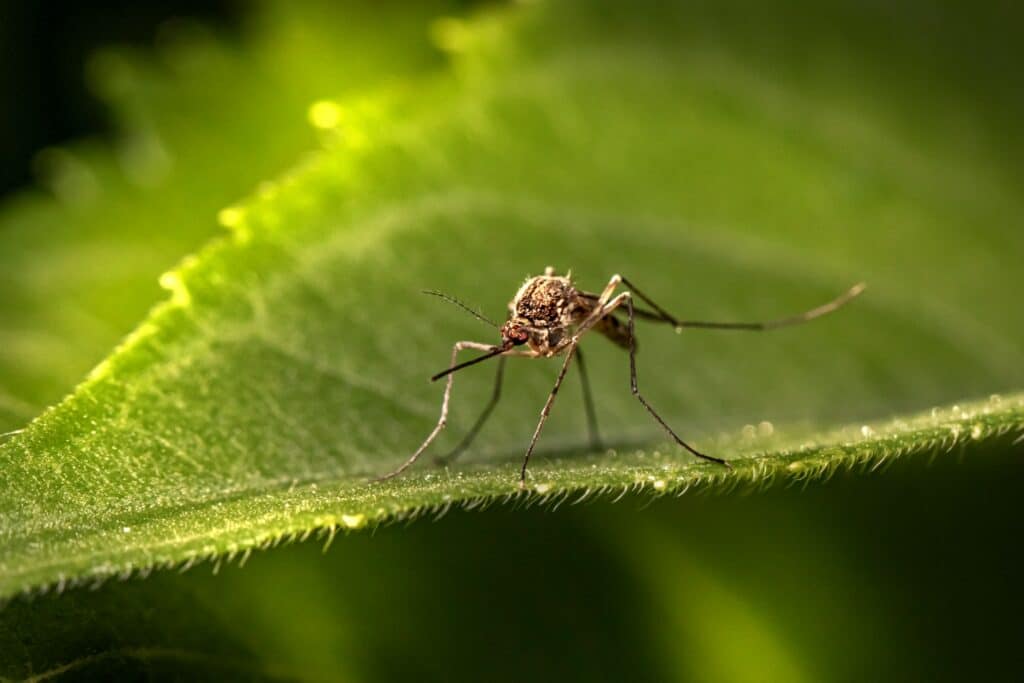
- Flies and gnats: Fruit flies, fungus gnats, and various other small flies demonstrate light attraction, particularly toward warmer-toned lighting. These tiny insects provide consistent prey for spiders despite their small individual size, with numerous captures accumulating significant nutrition.
- Lacewings and caddisflies: Various other flying insects occasionally entering homes show light attraction, expanding the prey diversity available to fixture-dwelling spiders beyond the most common moths and flies.
Temperature Advantages
Operating light bulbs generate heat creating warm microclimates within and around fixtures, providing thermal benefits for cold-blooded spiders while affecting prey behavior and web material properties.
Incandescent and halogen bulbs produce substantial heat during operation, with enclosed fixture interiors warming well above ambient room temperature. Even LED bulbs generate some heat, though far less than older bulb types, creating slightly elevated temperatures attractive to spiders.
Many household spider species including cellar spiders and cobweb weavers demonstrate preferences for warm environments, with elevated temperatures increasing metabolic rates, digestive efficiency, and developmental speed. Warm fixtures enable faster growth and reproduction compared to cooler locations.
Light fixtures, particularly enclosed ceiling types, demonstrate reduced temperature fluctuation compared to open room spaces experiencing drafts from HVAC systems, windows, or doors. This stability proves advantageous for spiders and their egg sacs requiring consistent conditions.
Warmer temperatures around lights increase trapped insect activity levels—moths flutter more vigorously, flies attempt more escape—making prey more likely to contact and become entangled in webs compared to sluggish behavior in cooler areas.
Light Fixtures Provide Shelter
Light fixtures provide enclosed, elevated positions protecting spiders from household traffic, cleaning activities, and predators while enabling undisturbed web construction and reproduction.
Fixture housings shield spiders from accidental contact with humans, pets, and household activities occurring below. This protection proves particularly valuable for egg sacs and developing spiderlings vulnerable to disturbance.
While homeowners regularly clean counters, floors, and visible surfaces, light fixture interiors often go months or years between maintenance. This neglect enables spiders to establish, reproduce, and accumulate webs without disruption.
Larger spiders, centipedes, and other spider predators typically hunting at floor and wall levels cannot easily access elevated ceiling fixtures, providing security absent from more accessible ground-level locations.
Fixture interiors provide numerous solid attachment points for web construction including housing edges, mounting brackets, and bulb bases. These stable anchors enable construction of more extensive, durable webs compared to those in open spaces vulnerable to air currents.
Common Spider Species in Fixtures
Certain household spider species demonstrate particular affinity for light fixtures based on their web-building styles, temperature preferences, and hunting strategies.
- Cellar spiders: Also called daddy longlegs spiders, these delicate spiders with extremely long legs commonly established in fixtures building irregular cobwebs. They tolerate warm conditions well and effectively capture various flying insects attracted to lights.
- Cobweb spiders: Various species in family Theridiidae including common house spiders build three-dimensional tangle webs ideal for fixture interiors. Their small size enables easy access while their opportunistic hunting strategy exploits whatever insects arrive.
- Sac spiders: Yellow sac spiders don’t build catching webs but instead create silk retreats (sacs) in protected locations including along fixture rims, inside lampshade folds, or behind wall-mounted fixture housings. They hunt actively at night for insects resting near lights.
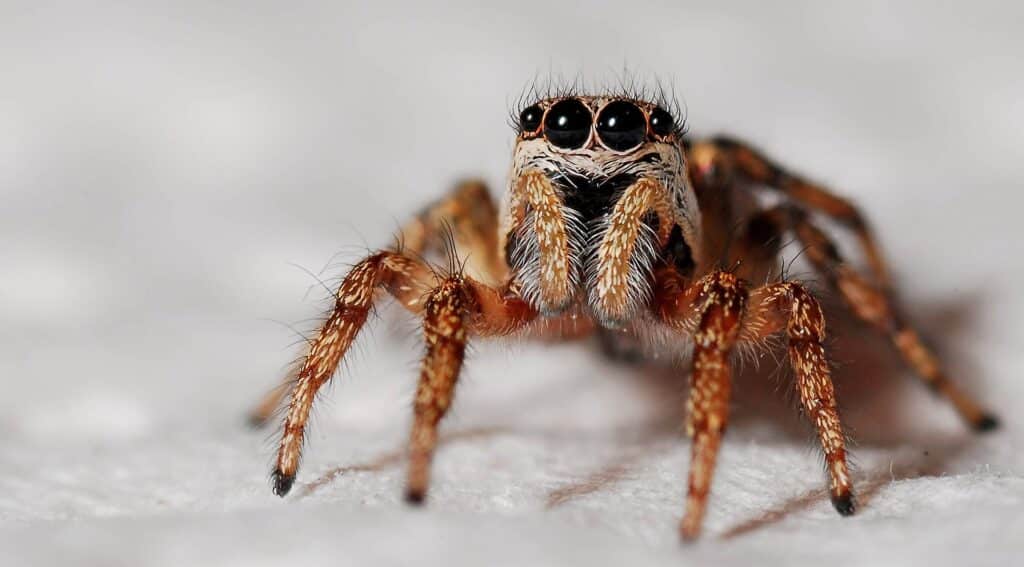
- Jumping spiders: While primarily visual hunters preferring open hunting grounds, some jumping spider species occasionally shelter in fixtures between hunting periods, appreciating the warmth and elevation though not typically building webs there.
- Cross orb-weavers: These spiders sometimes construct classic spiral webs within large lampshades or around floor lamp bases, though they more commonly build outside near exterior lighting where prey abundance proves higher.
Shedding New Light on Spider Habits
Professional spider control includes inspection of pest harborage, access point identification, and recommendations for environmental modifications reducing prey attraction while addressing any underlying insect problems from a pest control service.
If you’re finding spiders in multiple light fixtures suggesting widespread access or abundant prey, discovering egg sacs indicating reproduction within fixtures, or wanting comprehensive solutions addressing both spiders and the insects attracting them, contact Aptive today for a free quote. We’ll identify spider access routes, assess insect problems attracting spiders, and implement pest control strategies and solutions.