Jumping spiders may seem harmless, but they can quickly get out of hand. With their swift movements and sharp vision, jumping spiders can be a nuisance and even pose risks to you and your surroundings. That’s where effective jumping spider control methods come into play.
Infestations of jumping spiders can lead to potential dangers, including bites that may cause discomfort or allergic reactions. To ensure a more protected environment for you and your loved ones, it’s crucial to understand the benefits of managing these agile arachnids.
In this guide, we’ll explore various techniques and strategies for controlling jumping spiders. From natural remedies to professional interventions, we’ll uncover ways to keep these tiny acrobats at bay. So let’s dive in and discover how you can regain control over your home or garden by effectively managing those pesky jumping spiders.
Identifying Jumping Spiders: Appearance and Behavior
Jumping spiders are a species of spider known for their distinct physical characteristics and unique behaviors. Here are key features that distinguish them from other spider species and explore their captivating hunting techniques.
Physical characteristics that distinguish jumping spiders from other species
Jumping spiders have several physical traits that set them apart from other spider species. One notable characteristic is their compact size, typically ranging from 1 to 25 millimeters in length. Their bodies are stout and robust, with powerful legs designed for quick movements and impressive jumps.
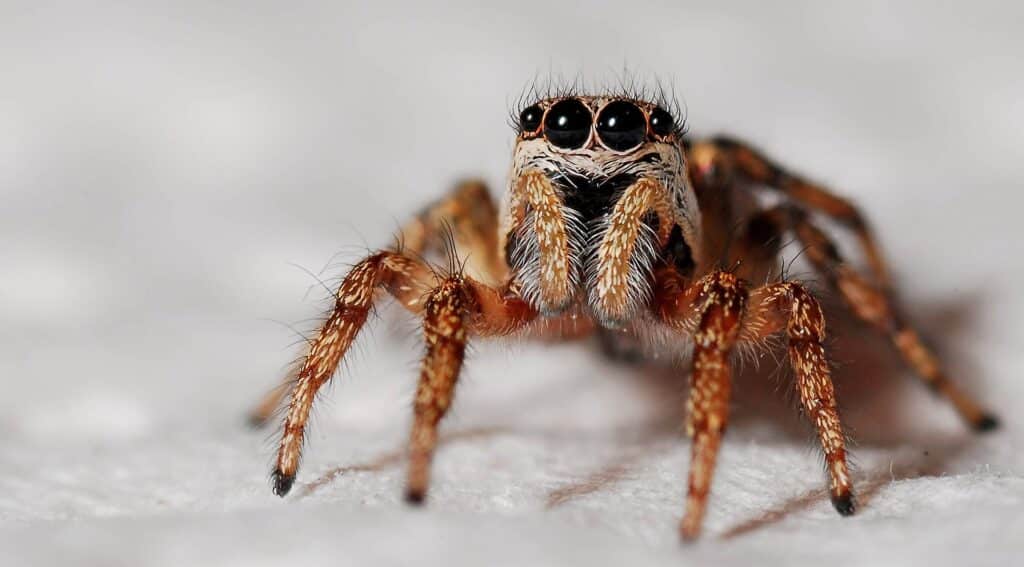
Unlike many other spiders, jumping spiders possess excellent vision. They have large front-facing eyes, which provide them with exceptional depth perception and acute visual awareness of their surroundings. This keen eyesight aids them in locating prey and navigating their environment with precision.
Notable behaviors exhibited by jumping spiders, such as their unique hunting techniques
Jumping spiders employ remarkable hunting techniques that make them stand out among other spider species. Instead of building webs to ensnare prey passively, they rely on active stalking and pouncing strategies.
Using their exceptional vision, jumping spiders patiently observe their surroundings until they spot potential prey. Once a target is identified, they initiate an agile pursuit, leaping towards it with astonishing accuracy. This dynamic hunting approach allows them to swiftly capture insects mid-air or on surfaces.
Another intriguing behavior displayed by jumping spiders is courtship rituals performed by males to attract females. These intricate dances involve intricate leg movements combined with vibrant displays of colors on the male’s body. These flamboyant performances serve as both a means of communication between potential mates and a display of the male’s fitness.
How to identify jumping spiders: Common colors and patterns
Jumping spiders exhibit a wide array of colors and patterns across different species, making them visually appealing creatures to observe. While specific coloration varies among individuals, some common patterns can aid in their identification.
Many jumping spiders feature vibrant hues, including shades of black, brown, red, yellow, and green. Some species boast intricate patterns such as stripes, spots, or even metallic reflections on their bodies. These distinctive colorations and markings contribute to the overall beauty of these agile arachnids.
How to differentiate between male and female jumping spiders based on size or markings
Differentiating between male and female jumping spiders can be achieved by considering various factors such as size and markings. In some species, males are generally smaller than females. However, this size difference is not consistent across all jumping spider species.
Alternatively, examining specific markings can provide clues about the spider’s gender. For instance, certain species may display sexual dimorphism where males exhibit more vibrant colors or unique patterns compared to females. By observing these distinguishing characteristics closely, one can often discern the gender of a jumping spider.
Understanding the physical characteristics and behaviors of jumping spiders enhances our appreciation for these remarkable creatures. Their agility, hunting techniques, diverse colors, and distinct gender attributes make them a captivating subject for study and observation.
So next time you encounter a small spider with impressive leaping abilities and striking appearances in your vicinity, you might just have come face-to-face with a fascinating jumping spider!
Understanding Jumping Spider Habits and Preferred Habitats
Jumping spiders are fascinating creatures that can be found in a variety of habitats around the world. To effectively control them, it is important to understand their habits and preferred environments. Here, we delve into the intricacies of jumping spider behavior and explore the factors that attract them to certain habitats.
Preferred Habitats
Jumping spiders can be found in diverse habitats ranging from forests and grasslands to urban areas. They often seek out environments with an abundant supply of prey, as they primarily feed on insects such as flies, mosquitoes, and other small arthropods. Jumping spiders tend to gravitate towards locations with suitable hiding spots like vegetation or crevices where they can rest undisturbed.
Factors That Attract Jumping Spiders
Several factors influence the habitat preferences of jumping spiders. Temperature plays a crucial role in their activity levels and reproductive success. These arachnids thrive in warm climates but can also adapt to cooler regions. The availability of prey is another significant factor that draws jumping spiders to specific environments. Areas with high insect populations are more likely to attract these agile hunters.
Typical Daily Routines
Jumping spiders are diurnal creatures, meaning they are most active during daylight hours. They spend their days hunting for prey using their remarkable vision and incredible agility. Unlike many other spider species, jumping spiders do not build webs to catch their meals; instead, they actively stalk and pounce on unsuspecting insects with impressive precision.
When not hunting, jumping spiders retreat to sheltered spots within their preferred habitats. These hideouts provide protection from predators while allowing them to conserve energy for future hunts. During this resting period, some species may engage in grooming activities by meticulously cleaning their sensitive sensory organs – the legs and pedipalps – using specialized bristles known as scopulae.
Seasonal Variations
Different species of jumping spiders may exhibit seasonal variations in their behavior and habitat preferences. For instance, some species are more active during the warmer months when insect populations peak, while others adapt to colder climates by becoming less active or seeking sheltered locations. These adaptations allow jumping spiders to survive and thrive in a wide range of environments throughout the year.
Jumping Spider Control
There is a wide variety of ways to manage of and control jumping spiders throughout your home, from more DIY solutions to professional pest expertise.
Physical Barriers
One technique for controlling jumping spiders is by implementing physical barriers to limit their access into your home. By sealing off potential entry points, you can significantly reduce the chances of encountering these eight-legged intruders.
- Inspect your home for cracks in walls, gaps around windows and doors, and openings around utility pipes. Seal any openings using caulk or weatherstripping.
- Install screens on windows and doors to keep jumping spiders from entering your living spaces while still allowing fresh air circulation.
Dealing with Jumping Spiders Indoors
There are a few key strategies that can help minimize their presence. One effective method is regular vacuuming. Use a vacuum cleaner with a hose attachment to suck up any spiders you spot, along with their webs and egg sacs. Pay close attention to corners, crevices, and other hiding spots where these arachnids may lurk.
Another option is using sticky traps specifically designed for spiders. Place these traps near areas where you have noticed high spider activity or in places where they are likely to enter your home. The adhesive surface of the trap will capture the spiders as they move around.
Outdoor Solutions
Preventing jumping spiders from entering your home starts by addressing potential entry points on the exterior. Inspect your house for cracks, gaps, or openings that may serve as access points for these agile creatures. Seal any openings you find using caulk or weatherstripping materials.
Consider trimming back vegetation near windows and doors as overhanging branches or shrubs can provide easy pathways for jumping spiders into your home. By maintaining a tidy yard and keeping plants away from the structure, you reduce the likelihood of encountering these pests indoors.
Seeking Professional Pest Control Services
If your jumping spider infestation persists despite your efforts, it may be time to seek professional pest control services. Experienced technicians can assess the severity of the problem and develop a comprehensive plan tailored to your specific needs. Professionals have access to specialized equipment and treatments that can effectively manage jumping spider populations. They will also provide guidance on preventive measures you can take to reduce the risk of future infestations.
Signs of a Jumping Spider Infestation and How to Address It
Jumping spiders are fascinating creatures known for their agility and unique hunting techniques. While they can be beneficial in controlling other pest populations, an infestation of jumping spiders in your home or property may not be ideal.
Common signs indicating the presence of a jumping spider infestation
- Increased spider sightings: One of the primary indicators of a jumping spider infestation is an abundance of these arachnids throughout your property. If you notice multiple spiders in various areas, particularly around windowsills, walls, or ceilings, it could be a sign that you have an infestation.
- Webs and egg sacs: Jumping spiders do not create intricate webs like other species; instead, they build small silk retreats where they rest and lay their eggs. Look out for these retreats in corners or crevices as well as any visible egg sacs attached to surfaces.
- Unusual behavior: Pay attention to any unusual behavior exhibited by the spiders. Jumping spiders are known for their quick movements and ability to leap onto prey from a distance. If you observe an unusually high number of jumps or erratic movements from these spiders, it may indicate an infestation.
Steps to take when identifying a jumping spider infestation
- Thorough inspection: Start by conducting a thorough inspection of your property to identify all areas where jumping spiders are present. Check both indoor and outdoor spaces such as basements, garages, gardens, and window frames.
- Documentation: Take pictures or make notes about the locations where you find jumping spiders or their retreats. This documentation will help you track the severity of the infestation over time.
- Treatment: If you come across individual spiders, carefully capture and release them outside. However, when dealing with a larger infestation, it is advisable to seek professional help from pest control experts experienced in handling jumping spider populations.
Advice on assessing the severity of an infestation and determining appropriate action
- Population density: Assess the population density of jumping spiders in your property by counting the number of spiders present in different areas. This will give you an idea of how widespread the infestation is.
- Frequency of sightings: Pay attention to how frequently you encounter jumping spiders. If sightings are becoming more frequent or if you notice them in unexpected places, it may indicate a growing infestation.
- Professional consultation: To accurately assess the severity of an infestation and determine appropriate action, consult with a reputable pest control company specializing in spider management. They can provide expert advice tailored to your specific situation.
Methods for tracking and monitoring jumping spider populations over time
- Regular inspections: Conduct regular inspections to monitor any changes in jumping spider activity throughout your property. This will help you identify any resurgence or decline in their population.
- Traps: Set up sticky traps strategically around areas where jumping spiders are commonly found. These traps can capture and provide valuable data about their numbers and distribution.
- Environmental modifications: Make necessary changes to your property’s environment that discourage jumping spiders from inhabiting certain areas.
Achieving Long-term Jumping Spider Control
To achieve long-term jumping spider control, it is important to understand the behavior and habits of these spiders. By identifying their appearance, preferred habitats, and hunting patterns, you can effectively control their population. Here are some key points to consider:
- Identifying Jumping Spiders: Jumping spiders are small and have unique eye patterns. They are known for their agile movements and ability to jump.
- Understanding Jumping Spider Habits: These spiders prefer warm environments with ample food sources. They are commonly found near windows, doors, or plants where they can hunt prey.
- Attracting Jumping Spiders: To control jumping spiders, it is essential to remove their hiding spots and eliminate potential prey sources such as flies or other insects.
- Controlling Jumping Spiders: Effective methods include sealing cracks and crevices, using sticky traps or barriers, and applying natural repellents like peppermint oil or vinegar.
- Getting Rid of Jumping Spiders: For indoor solutions, regular cleaning and vacuuming can help reduce spider populations. Outdoors, trimming vegetation away from buildings can deter them from entering.
- Signs of a Jumping Spider Infestation: Look out for excessive spider webs or multiple sightings of jumping spiders indoors. If infestation signs persist despite your efforts, professional pest control may be necessary.
To ensure successful jumping spider control in the long run:
- Keep your home clean and clutter-free to minimize hiding spots.
- Regularly inspect windowsills, door frames, and other entry points for gaps that need sealing.
- Use natural remedies or consult a professional pest control service if needed.
Remember that prevention is key. By taking proactive measures to eliminate attractants and implementing effective control methods consistently over time, you can significantly reduce the presence of jumping spiders in your surroundings.