It can be fairly challenging for a homeowner to deal with pests, especially with rodents. Seeing signs of rodents at home might make you uneasy, and if left unchecked, the problem can quickly escalate. What’s even more concerning is that rodents often carry a number of diseases, which can affect everyone in your household.
This guide will walk you through rodent infestation control, covering different types of rodents, signs of them entering your home, effective control methods, and practical removal tips. With the right approach, you can take back your space and keep your home comfortable.
Different Types of Rodents at Home
For efficient management and avoidance, you must understand the identification of each type of rodent that might infiltrate your house. Mice, rats, and voles have distinct qualities and habits that draw them to different parts of your home.
- Mice: Mice are small, agile rodents with a slender body and large ears, typically measuring 2.5 to 4 inches long. They are attracted to homes due to easy access to food and shelter, often nesting in hidden areas like walls and attics. Their quick breeding can lead to infestations if not managed.
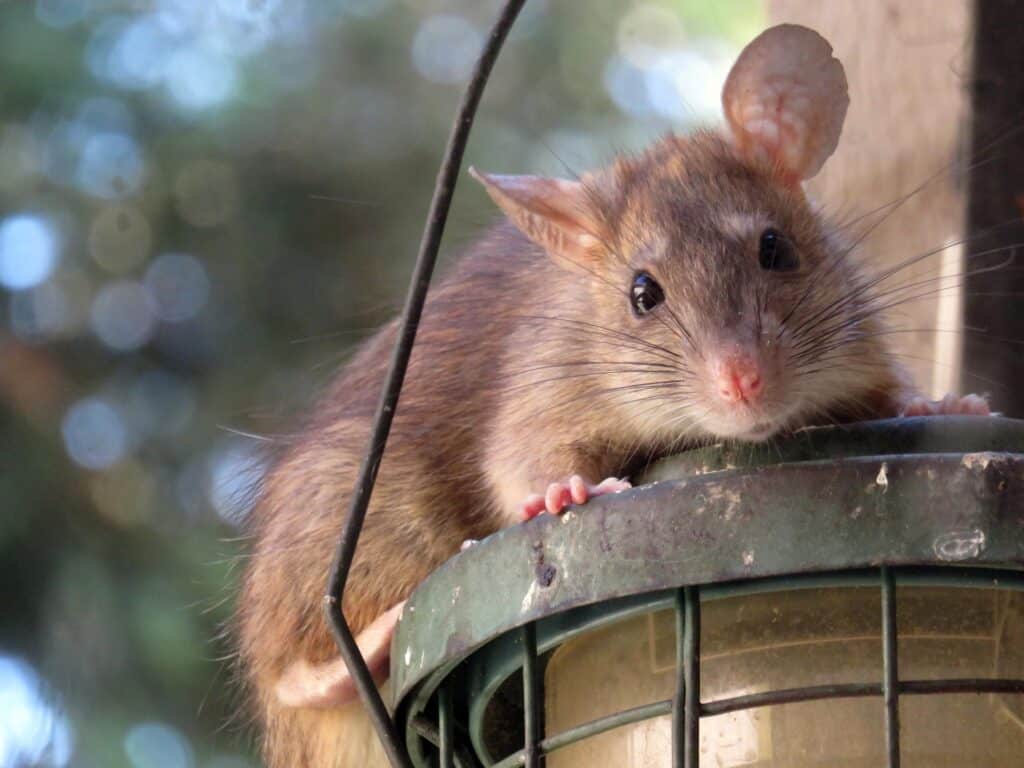
- Rats: Rats are larger, weighing between 7 to 18 ounces and measuring 9 to 11 inches long. They seek out homes for food and warmth, often living in basements, attics, or behind appliances. Their intelligence and adaptability make them particularly challenging to control.
- Voles: Voles are stockier than mice, with a shorter tail and a robust body, typically measuring 4 to 10 inches long. They are drawn to gardens and lawns, where they feed on grasses and roots, often creating visible damage. Unlike mice and rats, voles tend to burrow, which can affect landscaping and features outside the home.
What You Should Know About Rodents
Rodents are more common pests in houses than you would realize. Many homes will have rodent concerns or issues at some point. Apart from being skilled at infiltrating our homes, these pests can multiply rapidly, which, if ignored, can result in a serious rodent infestation.
Rodents, particularly mice and rats, are lured to our houses for several reasons. Rodents look for warmth, food to eat, and a place to stay. Attics, basements, and kitchens are, therefore, easy targets. The issue is made worse by the fact that a single couple of rodents can have several children in a single year. Preventing and managing infestations requires an understanding of their routines and behavior.
6 Important Signs of Rodents at Home
Early detection of rodents at home can prevent serious problems and house damage. Knowing the warning signals they leave can help you act before things get out of hand. The following are some telltale signs of a possible existence of rodents at home:
- Droppings: Rodent droppings are small, dark pellets resembling grains of rice. You’ll often find them in kitchens, pantries, or near nesting sites in attics or basements. Their presence indicates a potential food source nearby and requires careful cleanup due to health risks.
- Gnaw Marks: Rodents constantly gnaw on various materials to keep their teeth from growing too long, leaving small chew marks behind. Look for these marks on food packaging, furniture, and electrical wires, as they can pose fire hazards. Finding gnaw marks is a strong indicator of rodent activity in your home.
- Nests: Rodents build nests using materials like shredded paper, fabric, or insulation, often hidden in hard-to-reach areas such as attics or behind appliances. If you discover a nest, it’s a clear sign that rodents are residing in your home. Taking action promptly can help prevent further infestations.
- Noises: Nocturnal rodents create scratching, scurrying, or squeaking sounds, especially at night when they’re most active. These noises may come from walls, ceilings, or under floors and furniture. If you hear persistent sounds, it’s a strong indication that rodents are nearby and need further investigation.
- Footprints and Smudges: Small footprints or smudge marks in dusty areas can indicate rodent activity. Rodents leave tracks that can help you assess their presence in your home. Monitoring these signs can help you determine the extent of an infestation.
- Unpleasant Odors: Rodents emit a distinct musky odor, which can become stronger as their population increases. This smell is often most noticeable near nesting sites or areas they frequent. Detecting foul odors may indicate rodent presence, signaling the need for action.
4 Preventive Measures for Rodent Infestation
Rodents can be a real hassle for homeowners, especially if their population grows quickly before one manages to prevent them. While removing them instantly can be challenging, there are simple ways to reduce the causes of early rodent infestation in your home.
- Seal Entry Points: Closing up possible entry points for rodents is one of the best methods to keep them from entering your homes again. Check your house thoroughly for cracks in the foundation, gaps around windows and doors, and holes around pipes and vents since rodents may fit through surprisingly small spaces. Fill up these spaces with caulk or steel wool, and think about adding door sweeps to external doors to seal any gaps.
- Maintain Cleanliness: Since rodents are attracted to food and shelter, maintaining cleanliness is essential to warding them off. To prevent possible food sources, clean your kitchen, keep pet food in sealed containers, and don’t let it out overnight. You may also regularly sweep your floors, wipe worktops, and organize storage spaces.
- Use Natural Deterrents: Natural deterrents can supplement your other precautions and help keep rodents away. For example, peppermint oil is frequently promoted as a rodent deterrent; it may work well to place cotton balls soaked in peppermint oil next to possible access holes. Adding ultrasonic repellents to your plan can also be beneficial because they produce high-frequency noises that are inaudible to humans but unpleasant to rodents.
- Monitor for Signs of Infestation: For early detection, it’s important to routinely check your house for indications of rodent activity. Look for nests, bite marks, and droppings, particularly in places that aren’t used as often. If you spot any indicators, take action immediately since neglecting the problem might cause a larger and more problematic infestation.
4 Simple Ways to Remove Rodents at Home
If you already have a rodent at home, it’s important to act swiftly to prevent further damage and health risks. Fortunately, there are several effective methods available that can help you remove these unwelcome guests and restore comfort in your home.
- Maintain Preventive Measures: Maintaining your preventive methods after taking care of the current rodent problem helps to avoid infestations in the future. Keep your house tidy, keep an eye out for activity, and continue to close any access spots. You can keep ahead of any possible rodent issues by doing routine property inspections.
- Use Rodent Traps: Rodents are frequently removed using traps, and snap traps are especially useful since they immediately catch house mice. For your own safety, carefully follow the directions and set these traps in places where you have observed rodent activity. Smaller rodents can also be caught in glue traps but be sure to check them frequently to get rid of any pests that are caught.
- Use Rodenticide: Using rodenticides to get rid of rodents from your house might be necessary if the infestation is severe. These poisons may be used at safe bait stations to reduce the hazards to children and pets because they are made mainly to target rodents. To guarantee safety and efficacy, it is important to closely adhere to the manufacturer’s recommendations and keep an eye on the locations where rodenticides are applied. It is also generally recommended that poisoning rodents and use of stations be done outside the home, as a rodent dying inside the walls can be especially painful to extract and the smell can be very distressing to homeowners. Bait stations outside the home can also be used as a preventive measure to keep rodent populations down that are traversing the outside perimeter of a home.
- Contact a Pest Control Professional: If the infestation is too large or stubborn for DIY methods, it is recommended to contact a professional pest control professional. Experts can assess the situation, implement effective strategies, and help ensure your home is clear of rodents. Professional rodent control may be the best solution for persistent infestations.
Reclaim Your Home and Comfort with Aptive
Take control of rodents in your home and help your family feel safety and comfort once again. By getting to know their habits and behavior, you can reduce rodent concerns and take back your space. But if the rodent situation is out of control and requires immediate attention, Aptive is here to help you. We provide pest control services with an approach to assisting homeowners with pest concerns.
Reach out to get a complimentary quote from us if you are experiencing problems with rodents or other Pests. Aptive is here to provide peace of mind one home at a time.