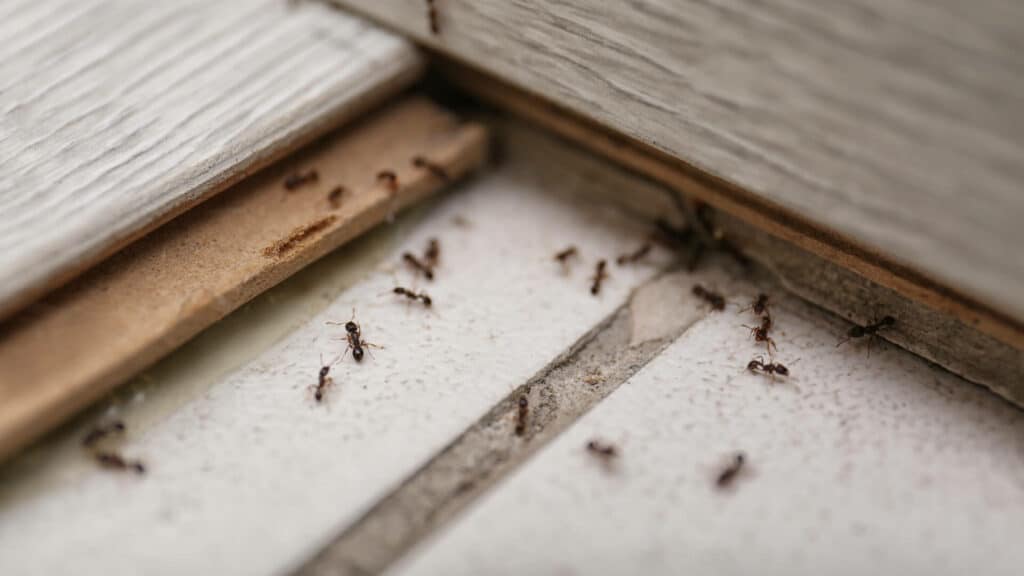
Have you experienced the frustration of eliminating a fire ant mound only to discover it reconstructed in the identical location just days later? For homeowners battling these persistent insects, this recurring cycle represents one of the most challenging aspects of fire ant infestations. The methodical reappearance of mounds isn’t coincidental—it’s a sophisticated survival strategy that requires understanding if you hope to achieve lasting control.
Soil Conditions Matter More Than You Think
Fire ants demonstrate remarkable selectivity when choosing locations for colony establishment. Rather than building mounds arbitrarily, they actively seek specific soil characteristics that facilitate efficient tunneling and optimal moisture regulation. Loose, well-drained soil compositions—particularly sandy loam or areas with minimal clay content—provide ideal conditions for rapid tunnel construction and structural stability.
When a particular section of your landscape features superior drainage properties or contains looser topsoil compared to surrounding areas, fire ants will repeatedly return to this location despite previous elimination efforts. Simply destroying the visible mound through mechanical means such as mowing or flooding fails to address the fundamental soil attributes that initially attracted the colony. From the ants’ perspective, these areas remain premium real estate for establishing their complex underground networks.
Irrigation patterns also significantly influence site selection. Areas receiving consistent, moderate moisture levels are particularly attractive to fire ant colonies, while excessively dry or heavily saturated ground generally proves less appealing. These insects demonstrate remarkable sensitivity to environmental conditions, consistently identifying the optimal moisture balance for colony development and maintenance.
Pheromone Trails Lead the Way Back
Fire ants employ sophisticated chemical communication systems, leaving behind pheromone trails that serve multiple essential functions within the colony. These biochemical markers help worker ants locate food sources, establish efficient travel routes, and communicate potential threats. What many homeowners fail to realize is that conventional mound destruction methods typically don’t eliminate these persistent chemical signals.
Even after visible mound structures have been demolished, the colony members remaining below ground often maintain their activity. When forced to retreat deeper underground or relocate slightly, they continue utilizing established pheromone pathways to navigate back to favorable locations once conditions improve. While the surface may appear cleared of ant activity, the invisible chemical infrastructure remains intact and functional.
This biological communication system explains why new mounds frequently emerge in precisely the same location—or within inches of previous sites. The residual pheromone markers persist long after visible evidence of the colony has been removed. Given that fire ant colonies operate with populations numbering in the hundreds of thousands, even minimal remaining chemical trails can facilitate rapid recolonization of previously inhabited areas.
Environmental Factors Reinforce Nesting Spots
Every residential property contains numerous microenvironments—areas with subtle variations in temperature, shade coverage, moisture levels, and exposure. Fire ants demonstrate remarkable sensitivity to these environmental nuances when selecting nesting locations. They consistently prefer areas that offer protection from direct sunlight, convenient access to food resources, and minimal disturbance. Common target zones include balcony edges, tree bases, sidewalk perimeters, cultivated garden beds, and even the vicinity of HVAC equipment.
When specific features of your landscape provide ongoing shelter or nutritional resources, these areas become perpetual targets for colony establishment. Potential attractants include compost facilities, irrigation leaks, bird feeding stations, or even underground utility lines that generate subtle warmth in the surrounding soil.
Fire ants exhibit exceptional adaptability in response to changing conditions. While eliminating one food source may temporarily disrupt their foraging patterns, they quickly identify alternatives within the immediate vicinity. Areas that continue to offer advantageous combinations of warmth, appropriate moisture levels, and physical protection rarely experience significant reductions in ant activity without professional intervention.
Wind protection represents another frequently overlooked factor in site selection. Structural features such as building foundations, ornamental hedges, or raised planting beds create windbreaks that reduce airflow and help colonies maintain optimal internal temperatures. These subtle environmental advantages may go unnoticed by homeowners but significantly influence fire ant behavior and mound placement decisions.
When to Get Pest Control for Fire Ants
When you’re experiencing recurring mound formation in consistent locations throughout your property, it’s time to consider professional pest control services. Fire ant colonies rarely resolve without intervention—they simply relocate, reconstruct, and adapt to changing conditions with remarkable efficiency.
Our pest control specialists understand that every property presents unique challenges when addressing fire ant infestations. Our inspection addresses the underlying environmental factors contributing to persistent colony establishment. By addressing both symptoms and root causes, we provide more effective and lasting fire ant control solutions.
Request a free quote today to learn how our customized treatment protocols can help eliminate fire ant colonies from your property and prevent their return. Our experienced technicians are ready to develop a tailored management strategy that addresses your specific fire ant and pest challenges.