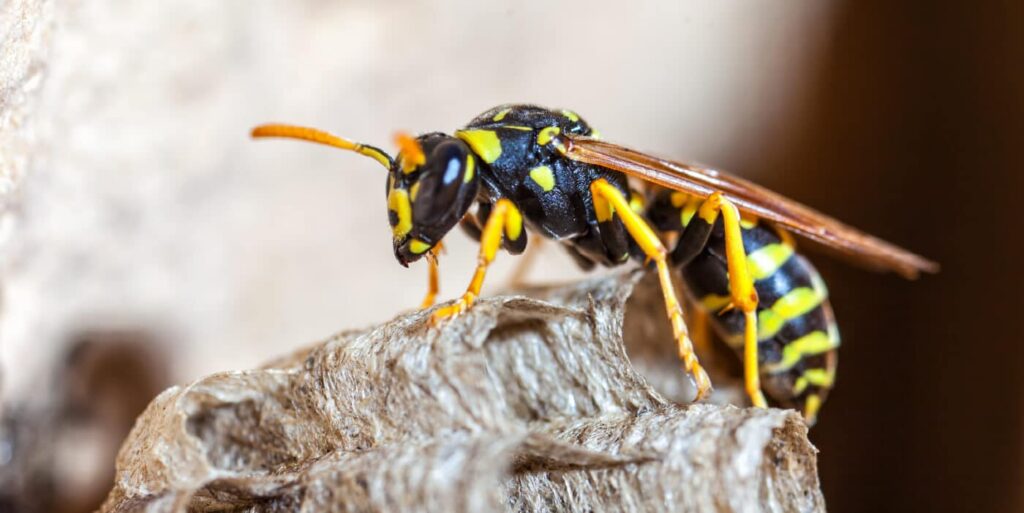
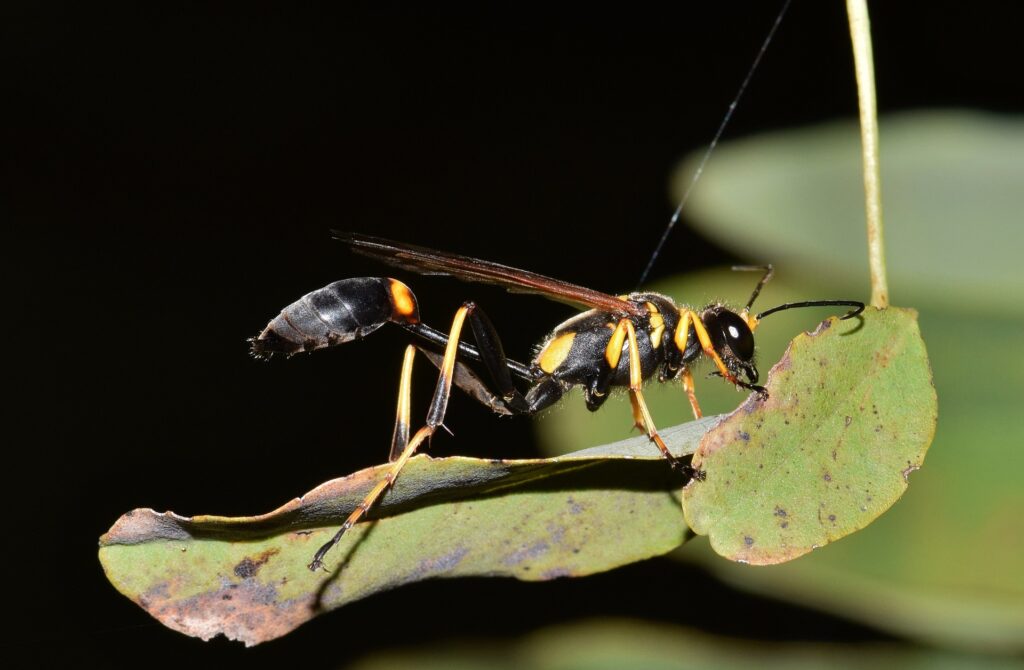
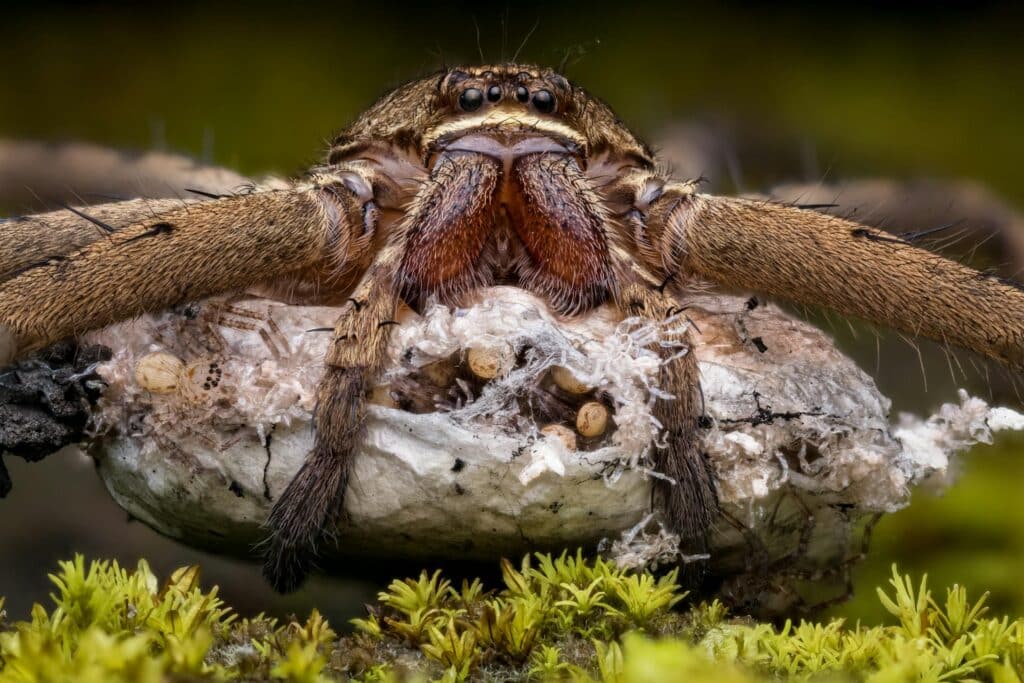
Ants are arthropods belonging to the phylum Arthropoda, the largest and most diverse animal group on Earth comprising insects, spiders, crustaceans, and other invertebrates sharing characteristic jointed legs and segmented bodies with external skeletons.
Ants specifically belong to the class Insecta within arthropods, representing highly evolved social insects that have colonized virtually every terrestrial habitat worldwide.
Understanding ant classification within the broader arthropod phylum provides insights into their evolutionary relationships, shared anatomical features with other arthropods, and biological characteristics distinguishing them from other invertebrate groups necessary for ant control.
What are ants?
Ants are highly social insects belonging to the family Formicidae within the order Hymenoptera, which also includes bees and wasps, with over 13,000 identified species worldwide living in complex colonies featuring reproductive queens and sterile worker castes.
These sophisticated insects evolved from wasp-like ancestors approximately 140-168 million years ago, developing eusociality—advanced cooperative behavior including reproductive division of labor, overlapping generations, and cooperative brood care—that enabled their extraordinary ecological success. Ants inhabit virtually every terrestrial ecosystem from tropical rainforests to deserts, with colonies ranging from a few dozen individuals to supercolonies containing millions of workers spanning vast territories.
They play crucial ecological roles as predators, scavengers, seed dispersers, and soil aerators, though some species have become serious agricultural and household pests when their behaviors conflict with human interests.
What are arthropods?
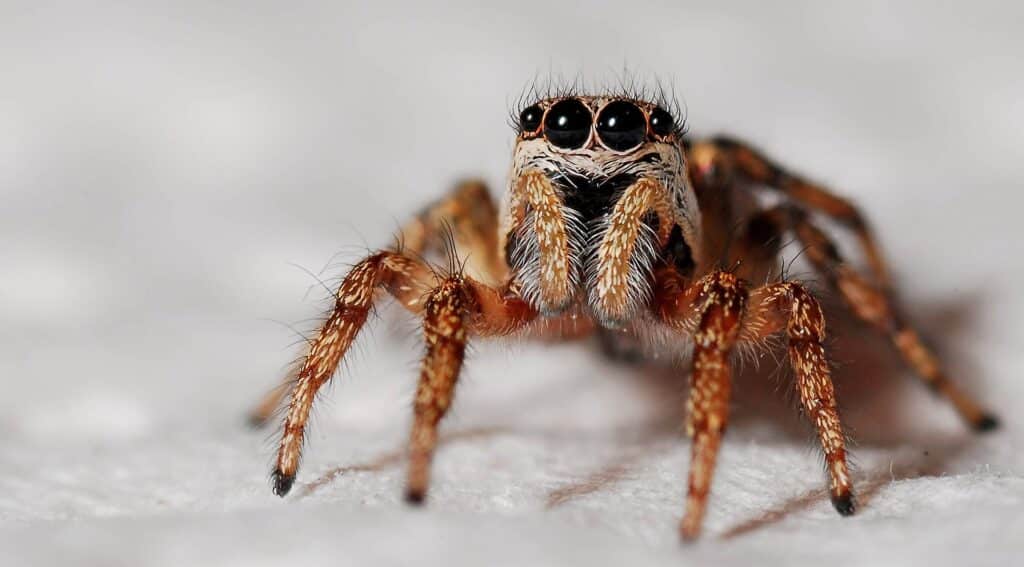
Arthropods are invertebrate animals belonging to phylum Arthropoda, characterized by segmented bodies, jointed appendages, and chitinous exoskeletons that must be periodically molted for growth, representing approximately 80% of all known animal species on Earth.
This incredibly diverse group includes insects, spiders, scorpions, mites, ticks (arachnids), crustaceans (crabs, lobsters, shrimp), centipedes, millipedes, and numerous other invertebrates sharing these fundamental anatomical features despite enormous variation in size, habitat, and lifestyle.
Arthropods possess bilaterally symmetrical bodies divided into distinct segments, paired jointed legs, compound eyes in many species, and open circulatory systems. Their external skeletons provide protection, muscle attachment points, and prevention of water loss allowing terrestrial colonization, though requiring energy-intensive molting cycles for growth. Arthropods have successfully colonized marine, freshwater, terrestrial, and aerial environments globally.
Are ants insects?
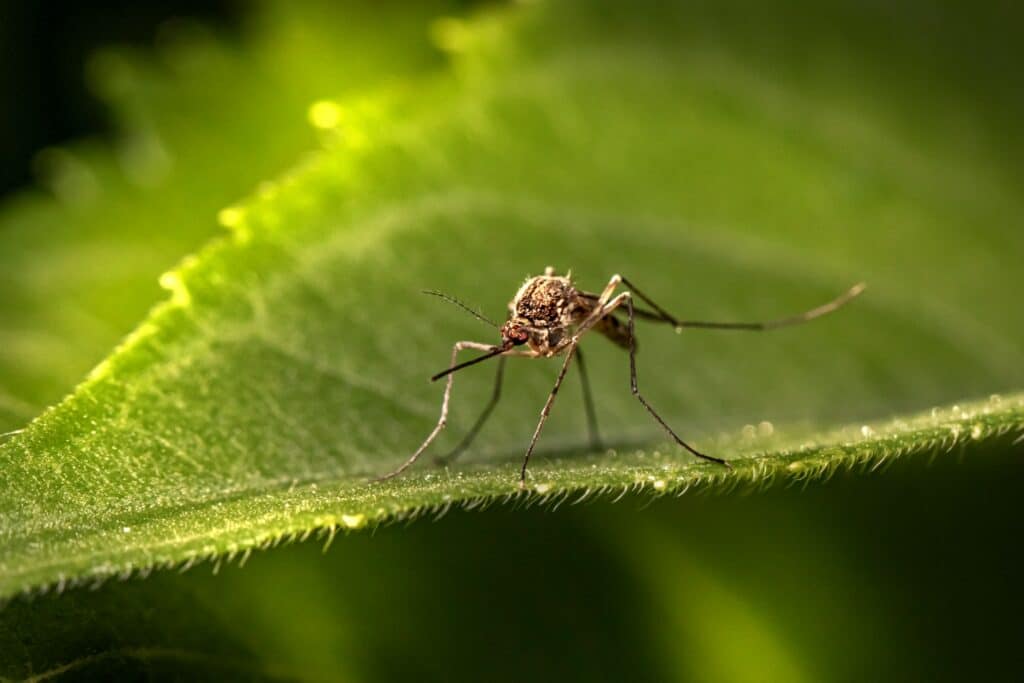
Yes, ants are insects belonging to the class Insecta within the arthropod phylum, possessing all defining insect characteristics including three body segments (head, thorax, abdomen), three pairs of legs, compound eyes, and antennae used for chemical communication.
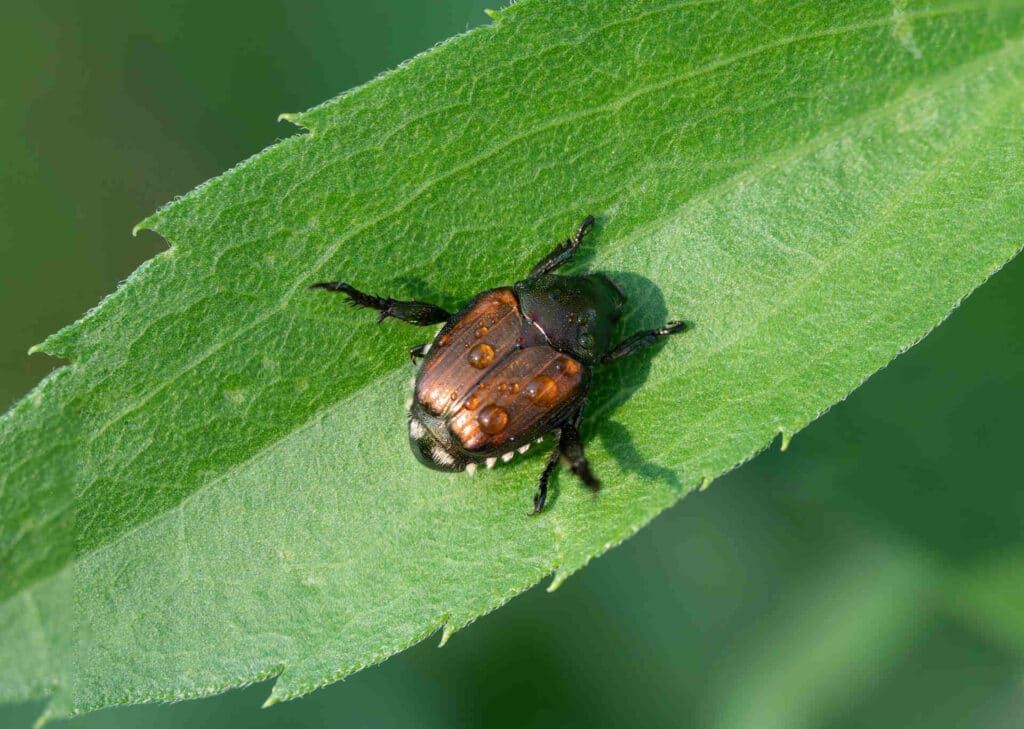
As members of Insecta, ants share fundamental anatomical features with beetles, flies, butterflies, and other insects despite their distinctive social behaviors and colony organization. Adult ants possess the characteristic insect body plan with head bearing mouthparts and sensory organs, thorax bearing six legs (and wings in reproductive individuals), and abdomen containing digestive and reproductive organs.
Most ants undergo complete metamorphosis progressing through egg, larval, pupal, and adult stages typical of advanced insect orders. Their classification within Hymenoptera reflects close evolutionary relationships with bees and wasps, sharing common wasp ancestors and similar developmental patterns.
Are all species of ants arthropods?
Yes, absolutely all ant species are arthropods since membership in phylum Arthropoda is a fundamental requirement of being an ant, with no exceptions existing among the 13,000+ described ant species worldwide.
Every ant species from tiny Carebara atoma workers measuring barely 1mm to giant Dinoponera queens exceeding 3cm possesses the defining arthropod characteristics including segmented bodies, jointed appendages, and chitinous exoskeletons. Geographic location, habitat preferences, colony size, behavior, or physical appearance doesn’t affect arthropod classification—all ants belong to Arthropoda by definition of their fundamental anatomical organization.
This universal classification reflects their evolutionary origin within arthropods, with no ant species existing outside this phylum. Any organism not possessing arthropod characteristics cannot be an ant, making arthropod status an absolute, non-negotiable aspect of ant identity across all species.
How to know if you have an ant infestation
Ant infestations create distinctive signs indicating established colonies requiring intervention:
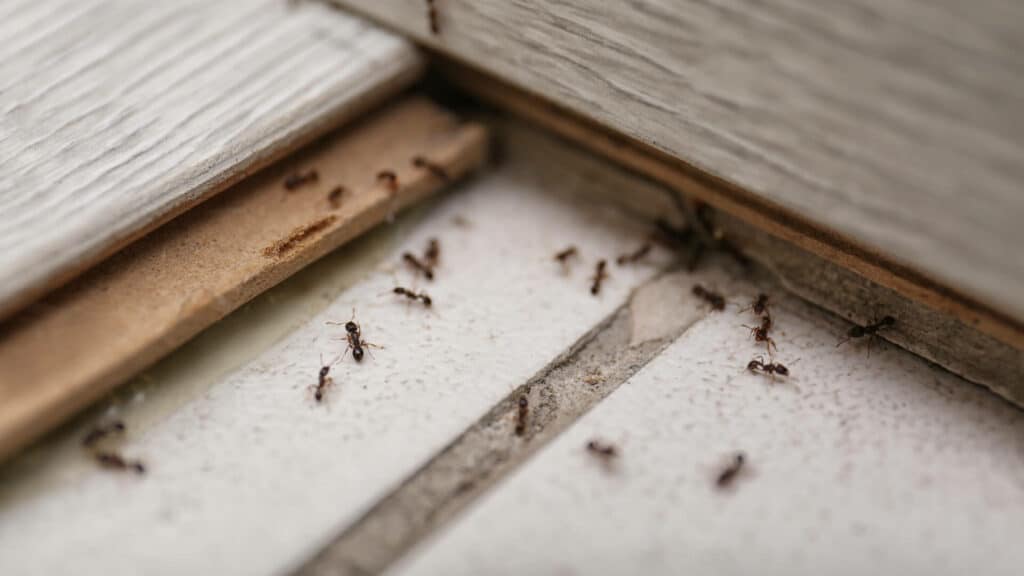
- Persistent indoor ant trails: You might notice continuous streams of ants following pheromone pathways between hidden nests and food sources, reappearing daily despite cleaning efforts indicating established foraging routes from active colonies.
- Multiple ant species present: You’ll likely observe different ant types simultaneously including small sugar ants, larger carpenter ants, or other species indicating your home provides favorable conditions supporting diverse ant populations with varying preferences.
- Winged reproductive ants appearing: It’s significant to find winged ants (swarmers) indoors, particularly during spring months, indicating mature colonies producing reproductive individuals for establishing new colonies signaling serious established infestations.
- Structural damage or frass piles: You might discover sawdust-like material beneath wood, hollow-sounding timber, or visible galleries indicating carpenter ant colonies excavating nesting spaces causing property damage beyond nuisance concerns.
How to get rid of an ant infestation
Eliminating ant infestations requires comprehensive colony-targeting approaches rather than individual ant removal:
- Deploy colony-eliminating baits: Place slow-acting poison baits near ant trails allowing workers to transport toxins back to nests, killing queens and broods eliminating colonies’ reproductive capabilities rather than just visible foraging workers.
- Eliminate food and moisture sources: Clean thoroughly, store foods in sealed containers, fix water leaks, and remove attractants denying ants resources supporting colony growth and reducing their motivation for indoor foraging activities.
- Seal structural entry points: Caulk cracks in foundations, around utility penetrations, along baseboards, and around windows preventing ant access to indoor spaces from exterior nesting sites limiting their indoor activity.
- Contact professional pest control services: Seek expert assistance for persistent infestations, associated ant structural damage, or difficult species like pharaoh ants requiring specialized treatment approaches locating and eliminating multiple nest sites simultaneously throughout structures.
When you should call a professional
When dealing with ant problems throughout your property and need expert solutions that eliminate entire colonies rather than just visible foraging workers, professional pest control services can provide comprehensive treatment strategies targeting source nests and preventing future infestations. At Aptive, our pest control experts understand ant biology and behavior, implementing control methods that address root causes of infestations rather than just treating symptoms.
If you’re experiencing persistent ant activity despite your control efforts, or are dealing with multiple ant species indicating favorable conditions supporting diverse populations, don’t wait—contact Aptive today for a free quote.