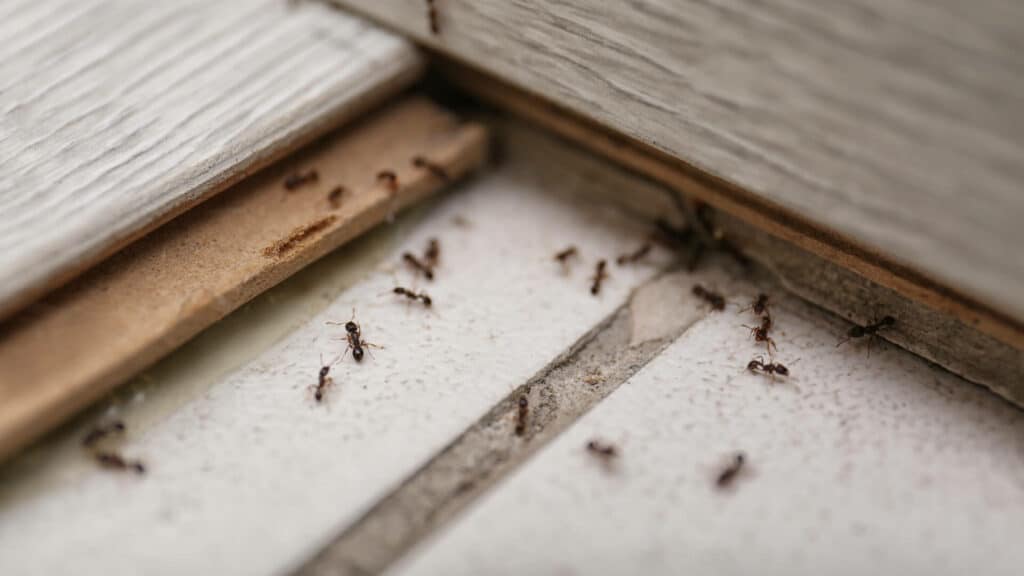
Finding ants crawling around your dishwasher can feel particularly frustrating when you’re maintaining good kitchen hygiene. These persistent insects aren’t simply attracted to leftover food particles—they’re drawn to a combination of moisture, warmth, and hidden organic residues that dishwashers naturally provide. Understanding why this modern appliance becomes an ant magnet helps explain why conventional cleaning might not solve your problem completely.
Effective ant control in kitchen environments requires recognizing that ants follow specific survival needs rather than random food opportunities. Your dishwasher inadvertently satisfies multiple essential requirements that make it an attractive destination for various ant species seeking resources for their colonies.
Why Ants Love Dishwashers
Understanding ant behavior requires recognizing the three fundamental resources they need for survival: consistent moisture access, nutritional sources, and protective shelter. Dishwashers uniquely provide all three requirements in a concentrated location, making them particularly attractive to foraging ants seeking optimal resource combinations.
1. Moisture Availability
Water represents the most critical survival resource for ants, and dishwashers offer multiple moisture sources including damp filtration systems and drainage areas where water naturally accumulates, condensation formation around door seals and gaskets, and minor leaks beneath units that create ongoing water access. Even minimal dripping from loose connections provides sufficient moisture to sustain entire ant colonies.
2. Food Sources
While you might assume dishwashers contain no food, ants locate trace amounts of sugars, proteins, fats, and starches in locations invisible during routine use. These include organic residues within drainage lines, sticky accumulations in detergent dispensers, and biofilm development on interior surfaces that provides ongoing nutrition.
3. Shelter Opportunities
The areas behind and beneath dishwashers offer ideal harborage conditions—dark, undisturbed spaces with consistent warmth from appliance operation. These locations often connect to wall voids or flooring systems, enabling ants to establish satellite colonies that serve as staging areas for continued kitchen exploration.
This combination of essential resources explains why ants persistently return to dishwashers despite your cleaning efforts and why elimination requires addressing all three attraction factors simultaneously.
Dishwashers Are Ideal Environments for Ants
Modern dishwashers inadvertently create ideal environmental conditions that attract multiple ant species, particularly those specializing in moisture-rich environments. The appliance’s design and typical installation patterns contribute to ongoing ant attraction that extends beyond simple food residue concerns.
Species like Argentine ants and odorous house ants demonstrate strong preferences for water sources, making dishwashers primary targets during their foraging activities. Once successful foragers discover your appliance, they establish chemical trail networks that guide other colony members to this valuable resource location.
The combination of heat generation from normal operation, humidity retention within the appliance chamber, protected access routes through cabinet connections, and proximity to other kitchen resources creates comprehensive habitat conditions. These factors work together to make dishwashers more attractive than many outdoor environments where ants typically forage.
The cyclical nature of dishwasher operation provides regular moisture and heat cycles that maintain attractive conditions throughout different seasons, making your appliance a consistently reliable resource for ant colonies seeking stable access to essential survival needs.
Ants Get In Through Very Small Gaps
Ants possess remarkable ability to exploit minimal openings, gaining access to dishwashers through entry points that most homeowners never consider. Understanding these access routes helps explain how ants reach your appliance despite sealed food storage and general kitchen cleanliness.
Primary access pathways:
- Cabinet gaps behind appliances that remain undisturbed during cleaning.
- Foundation entry points in baseboards connecting to outdoor ant populations.
- Plumbing penetrations in cabinetry creating direct pathways from wall voids.
- Expansion cracks around floor tiles offering ground-level access routes.
- Utility connections where water and electrical lines enter cabinet spaces.
- Gaps between appliances and surrounding cabinetry or countertops.
Once ants breach your kitchen’s perimeter defenses, the area behind dishwashers offers protected exploration opportunities where warmth and moisture naturally accumulate.
You May Be Feeding the Colony Without Realizing It
Even meticulous dish rinsing before loading often leaves organic residues that attract persistent ant foragers. These microscopic food sources accumulate in locations that remain hidden during normal appliance use, creating ongoing nutritional opportunities that sustain ant interest.
Common residue accumulation areas:
- Sugar films from beverage containers that persist in drainage systems.
- Grease deposits from cooking utensils trapped in filtration systems.
- Starch buildup from pasta or rice preparation in drain areas.
- Organic particles beneath lower spray arms requiring manual removal.
- Biofilm development on door seals and detergent dispensers.
- Dissolved nutrients in stagnant water from slow-draining or blocked drain hoses.
Ants possess remarkably sensitive chemical detection systems that identify these food sources long before human observation, enabling early colony establishment and persistent activity patterns.
What You Can Do Right Now
Successful ant elimination from dishwashers requires systematic approaches addressing moisture sources, food residues, and access points simultaneously. Focusing on individual factors often provides temporary relief while underlying attraction conditions persist, enabling rapid reinfestation when environmental factors remain favorable.
Comprehensive Cleaning Protocol
Remove and thoroughly rinse dishwasher filters, checking for accumulated organic debris beneath spray arms and in drainage areas. Clean door seals, detergent dispensers, and interior surfaces with appropriate disinfectants that eliminate organic films and residue buildup.
Moisture Control Measures
Inspect areas beneath appliances for plumbing leaks or condensation issues that provide ongoing water access. After each use cycle, leave dishwasher doors slightly ajar to promote air circulation and reduce humidity retention. Address any standing water in drainage areas that might sustain ant populations.
Access Point Elimination
Apply appropriate sealants to gaps in surrounding cabinetry, install screening materials over plumbing penetrations, and caulk wall connections around electrical outlets. Focus particularly on areas where utility lines enter cabinet spaces, as these represent primary ant highways into kitchen environments.
Maintenance Scheduling
Establish regular deep cleaning routines that address hidden accumulation areas before they become attractive to foraging ants. Monitor appliance operation for developing leaks or drainage issues that might create new attraction factors.
These comprehensive approaches address the multiple factors that make dishwashers attractive to ants, providing more effective long-term protection than addressing individual attraction elements in isolation.
When to Get Professional Help
When dealing with persistent ant problems in your dishwasher, Aptive’s pest control experts can help. Our pest control service will perform a detailed inspection to assess the situation and develop a customized treatment plan based on the specific factors attracting ants to your kitchen appliance despite regular cleaning. We’ll identify whether you’re dealing with moisture issues from leaks or condensation, hidden food residues in filters and drainage areas, or structural vulnerabilities like cabinet gaps and utility penetrations that provide access routes from outdoor ant colonies.
If you’re finding ants in your dishwasher despite thorough cleaning and maintenance efforts, contact Aptive today for a free quote. Our experts will evaluate your specific kitchen conditions and vulnerabilities, recommending the most effective solutions to eliminate these persistent invaders and protect your kitchen from future ant activity.
Common Questions About Ants in the Dishwasher
Here are some frequently-asked questions from homeowners when they see ants in the dishwasher.
Q: Do ants spread diseases in the dishwasher?
While ants don’t directly spread diseases like mosquitoes or flies, they can contaminate dishwasher surfaces and utensils by carrying bacteria from outdoor sources, garbage areas, and other unsanitary locations. They may transfer pathogens to clean dishes, silverware, and food preparation surfaces inside the appliance. The main concern is cross-contamination rather than direct disease transmission. Proper cleaning and sanitization help minimize these risks when dealing with ant infestations.
Q: Will ants cause problems in my dishwasher?
Ants can cause several dishwasher problems including clogging filters with debris they bring in, contaminating clean dishes and utensils, creating unpleasant odors from dead insects in hidden areas, and potentially interfering with mechanical components if large numbers accumulate. They may also indicate underlying moisture issues that could lead to appliance damage. While they won’t break your dishwasher, they create sanitation concerns and indicate conditions needing attention.
Q: How do I get rid of ants in my dishwasher?
Start by deep cleaning the dishwasher: remove and rinse filters, clean door seals and detergent dispensers, and check for food debris. Eliminate moisture sources by fixing leaks and allowing the interior to dry after cycles. Seal entry points around the appliance using caulk or foam. Remove food sources by thorough pre-rinsing and regular maintenance. If ants persist despite these efforts, professional pest control may be needed to address hidden colonies.