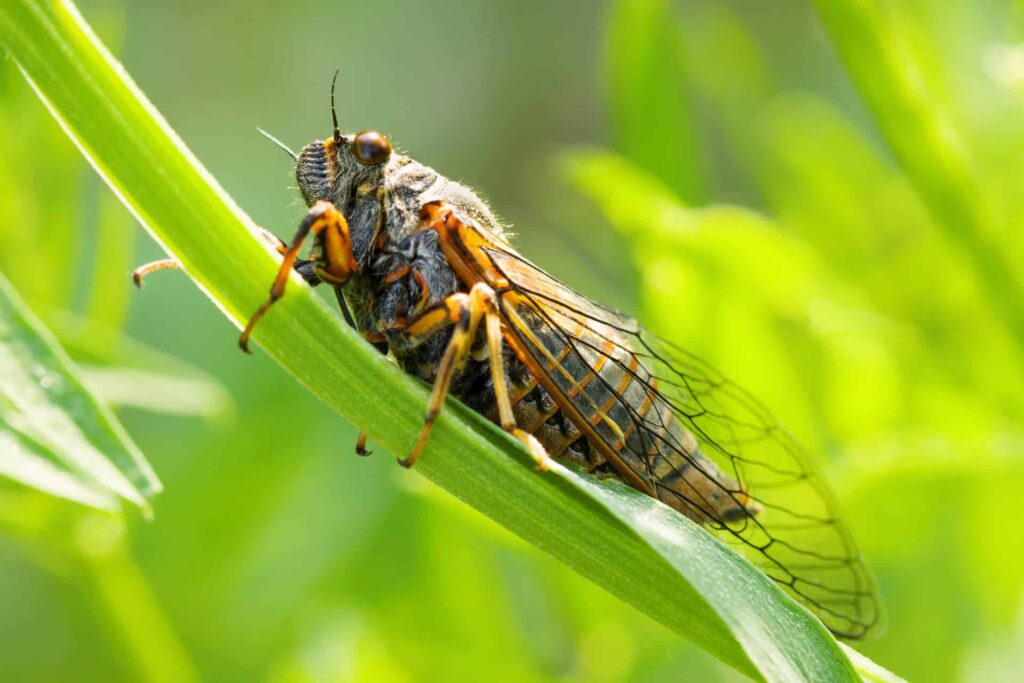
Texas bullet ants are large predatory ants known for their particularly painful stings. The Texas Bullet Ant (Neoponera villosa), also called the hairy panther ant or greater Texas bullet ant, is found in southern Texas, Mexico, and farther south through Central and South America. By contrast, the true bullet ant (Paraponera clavata) lives in humid lowland rainforests of Central and South America and does not occur in the United States; its sting is famous for being among the most painful of any insect.
What are Texas bullet ants?
Texas bullet ants (Neoponera villosa) are relatively large predatory ants measuring roughly 0.4 to 0.8 inches (10 to 20 millimeters) in length, with elongated bodies, strong mandibles, and a slender waist, belonging to the subfamily Ponerinae that includes various primitive ant species.
These ants use their powerful mandibles and a well-developed sting to capture and subdue prey rather than the spring-loaded “trap-jaw” mechanism seen in genera such as Odontomachus and Anochetus. Texas bullet ants are solitary hunters or live in small to medium-sized colonies compared to massive supercolonies of common ants, with workers foraging individually for small arthropod prey. Their common name references both their robust build and the sharp, painful sensation of their stings, inhabiting parts of southern Texas as well as a broader Neotropical range.
Are Texas bullet ants found in Texas?
Yes, Texas bullet ants are found in Texas. Neoponera villosa occurs in portions of southern Texas near the Mexican border as well as in Mexico and farther south through Central and South America.
This widespread naming confusion likely arose because people used “bullet ant” for any large, painfully stinging ant and sometimes conflated Texas bullet ants with true bullet ants (Paraponera clavata) from Central and South American rainforests. Texas bullet ants (Neoponera villosa) are a different species within the Ponerinae subfamily that ranges from southern Texas and Mexico down through much of Central and South America. Within the continental United States they are currently known only from southern Texas; reports of “Texas bullet ants” elsewhere usually turn out to be other species such as large carpenter ants, harvester ants, or fire ants that can also deliver painful stings.
Are Texas bullet ants dangerous?
Texas bullet ants are not particularly dangerous to humans despite their painful stings, with their venom causing localized pain, redness, and swelling but not the extreme, debilitating pain associated with true bullet ants (Paraponera clavata).
Their sting produces sharp, immediate pain compared to bee stings, though symptoms remain localized and resolve within hours to days without serious complications for most people. These ants are not aggressive toward humans unless their nests are directly threatened or individual ants are handled.
Allergic reactions are possible as with any insect sting, though serious systemic reactions remain rare. Their actual danger level is comparable to other moderately painful ant species rather than the legendary agony of true bullet ants.
Do Texas bullet ants cause damage?
Texas bullet ants do not cause significant structural damage or economic harm, as they nest in soil, leaf litter, rotting wood, or under stones rather than actively excavating wood or damaging buildings like carpenter ants.
These predatory ants focus on hunting small arthropods rather than consuming structural materials, stored foods, or agricultural crops. Their small colony sizes limit any potential impact compared to massive colonies of pest ant species. In their native tropical habitats, Texas bullet ants provide beneficial pest control by consuming various insect pests. Any minor soil disturbance from their nesting activities is insignificant and comparable to natural soil processes.
How fast is a Texas bullet ant?
Texas bullet ants are active, fast-moving ants that can move briskly over trunks, branches, and the ground while foraging or escaping disturbance. Like many larger arboreal ants, workers can cover several body lengths per second, which looks quick at close range but is not considered exceptional compared to other ant species.
Their speed and agility help them locate prey and retreat if threatened, but their hunting success depends more on their strong mandibles, ability to climb, and painful sting than on any record-breaking top speed. Current research on tropical arboreal ants describes typical running speeds in the range of a few inches per second, and Texas bullet ants are not documented as holding any special speed records among ants.
Do Texas bullet ants bite humans?
Yes, Texas bullet ants can bite and sting humans when threatened, handled, or when their nests are disturbed, using their powerful mandibles to grip and their sting to inject venom that causes immediate burning sensations.
However, these ants are not aggressive toward humans under normal circumstances, preferring to flee rapidly rather than attack when encountering people away from the nest. Stings typically occur when ants are accidentally contacted during gardening, moving debris, or walking barefoot in areas where they forage. Unlike aggressive fire ants that swarm and attack en masse, Texas bullet ants sting individually and don’t recruit nestmates to attack. Their stings are defensive rather than offensive behaviors.
What you should do if you are bitten by a Texas bullet ant
If you are stung by a Texas bullet ant, immediately remove the ant from your skin, wash the sting area with soap and water, and apply ice or cold compresses to reduce pain and swelling at the sting site.
Over-the-counter pain relievers including ibuprofen or acetaminophen can manage discomfort, while antihistamines may reduce itching and swelling. Monitor the sting for signs of infection including increasing redness, warmth, swelling, or pus development over following days. Most stings resolve within 24-48 hours with only minor symptoms.
Seek medical attention if you experience severe allergic reactions including difficulty breathing, extensive swelling beyond the sting area, dizziness, or rapid heartbeat, though such reactions are rare. Clean the area regularly and avoid scratching to prevent secondary infections.
How to know if you have a Texas bullet ant infestation
Texas bullet ant presence creates distinctive signs, though actual infestations are impossible in areas outside their natural range:
- Texas bullet ant activity is only expected in warm regions within their known range, so the first step is confirming your location. Neoponera villosa has been documented from southern Texas (particularly the Lower Rio Grande Valley), throughout Mexico, and south through Central and parts of South America; true infestations are not expected across most of the United States outside this zone.
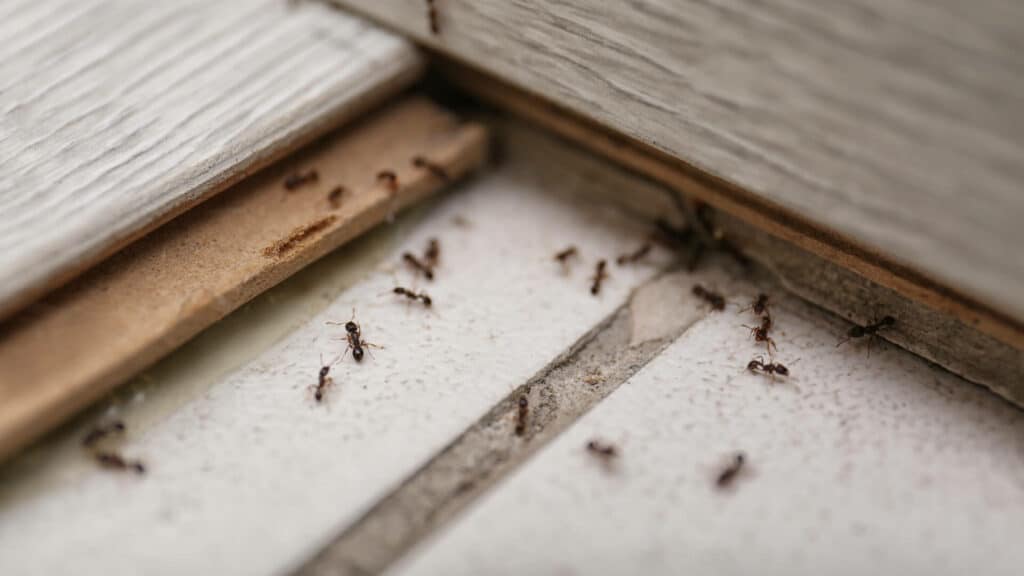
- Active foraging workers: You may see relatively large, dark ants (about 10–20 mm long) moving steadily along tree trunks, branches, or the ground as they hunt alone for other insects and arthropods, rather than following long scent trails to sugary foods like many household ants.
- Small colonies in cavities: Colonies are usually found in natural cavities such as rotting logs, dead wood, tree hollows, or sometimes in bromeliads and other plant structures, rather than in big soil mounds or inside wall voids like more typical structural pest ants.
- Predatory behavior: These ants behave as hunters, often seen interacting with or carrying insect prey instead of gathering crumbs, pet food, or kitchen items. Their role in natural habitats is more as a predatory forest ant than as a common household nuisance species.
How to prevent a Texas bullet ant infestation
Preventing encounters with Texas bullet ants involves habitat management in regions where they actually occur:
- Remove debris and nesting sites: Clear leaf litter, rotting wood, stones, and organic debris from around structures eliminating favorable nesting locations these ants prefer in tropical environments.
- Seal entry points into buildings: Caulk cracks, gaps around doors and windows, and foundation openings preventing ants from entering structures while foraging for prey or seeking shelter.
- Reduce moisture around foundations: Improve drainage, fix leaks, and eliminate standing water reducing conditions attractive to both the ants and their arthropod prey in humid tropical climates.
- Maintain cleared perimeter zones: Create vegetation-free zones around building foundations removing the leaf litter and ground cover these ants use for nesting and hunting activities.
- Verify actual species identity: Confirm that ants you’re observing are actually Texas bullet ants rather than other species, since many large stinging ants can be confused with them and they are only known from southern Texas within the United States.
When to talk to a professional
When dealing with ant identification concerns or suspected Texas bullet ant encounters in southern Texas, Mexico, or other Neotropical regions where these ants actually occur, professional pest control services offer accurate species identification and appropriate management solutions. Our pest control service will perform a detailed inspection to assess the situation and develop a customized treatment plan based on the specific ant species present. We’ll identify whether you’re dealing with actual Texas bullet ants, misidentified native ant species, or other painful stinging ants requiring different control approaches.
Given the widespread confusion surrounding Texas bullet ants and the closely named real bullet ant, accurate identification is essential before implementing control measures. If you’re experiencing problems with large, painful stinging ants in your area, are uncertain about species identification, or need expert assistance managing ant populations around your property, contact professional pest control services today for a free quote.
FAQs about Texas bullet ants
Here are some commonly-asked questions about Texas bullet ants from homeowners.
Q: How long do Texas bullet ants live?
Texas bullet ant workers typically live several months to over a year depending on environmental conditions and colony needs, while queens can survive several years continuously producing new workers for their small colonies.
Individual worker lifespans vary based on foraging risks, predation, and environmental stresses in their tropical habitats. Queens establish colonies that may persist for multiple years in favorable locations with adequate prey availability and suitable nesting sites.
Their relatively small colony sizes compared to other ant species mean individual workers represent more significant investments, potentially encouraging longer lifespans. Male ants live only weeks, surviving just long enough to mate before dying shortly after reproductive flights.
Q: Are Texas bullet ants aggressive?
No, Texas bullet ants are not particularly aggressive toward humans or large animals, preferring to flee rapidly using their exceptional speed rather than attacking when encountering potential threats.
These solitary or small-colony hunters focus defensive behaviors on protecting nests from direct disturbance rather than patrolling territories and attacking intruders like aggressive fire ants or harvester ants. They bite or sting only when directly threatened, handled, or when their nests are physically disturbed during digging or moving debris.
Q: How poisonous are Texas bullet ants?
Texas bullet ants possess moderately painful venom causing localized burning pain, redness, and swelling comparable to bee stings, but their venom is not highly poisonous or normally dangerous to humans beyond typical insect bite reactions.
Their venom evolved primarily for subduing small arthropod prey rather than defending against large vertebrates, making it far less potent than true bullet ants (Paraponera clavata) famous for extremely painful stings. Most people experience acute pain lasting minutes to hours with swelling persisting 24-48 hours without serious complications. Allergic reactions are possible as with any insect venom, though severe systemic reactions remain uncommon.
Q: Should I avoid squishing a Texas bullet ant?
Squishing Texas bullet ants is unnecessary and potentially problematic as crushing them may release alarm pheromones potentially attracting other nearby ants, though their small colony sizes make mass recruitment unlikely compared to other ant species.
These ants are beneficial predators in their native ecosystems, controlling populations of small arthropod pests and contributing to ecological balance. Simply allowing encountered ants to flee using their remarkable speed is preferable to killing them unnecessarily.