Call now and ask about our Summer Offer

Phone Icon
Phone Icon
Phone Icon
Phone Icon

(855) 948-5816

Aptive Pest Control Logo

Why Odorous Ants Love Your Kitchen: Attraction Factors and Prevention Tips

Written by Aptive Pest Control
Updated: May 21, 2026 Published: July 30, 2024
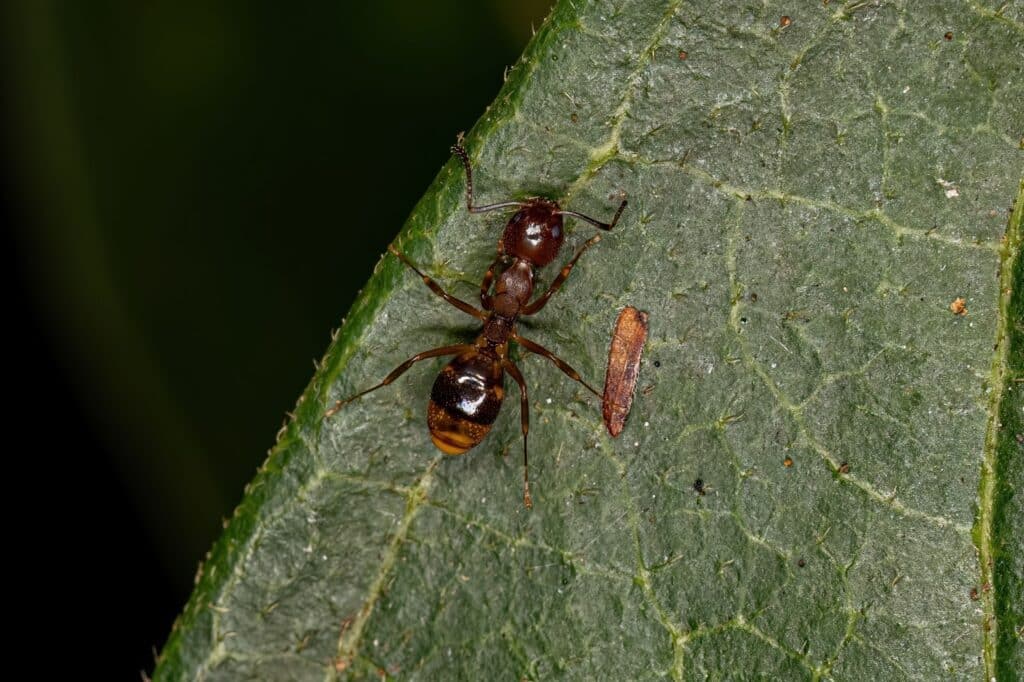
Close-Up Of An Odorous House Ant With A Brown And Black Body, Walking On A Textured Green Leaf With Visible Veins. A Small Brown Fragment Is Also Present On The Leaf.

Finding odorous ants in your kitchen can be frustrating. These tiny pests are drawn to kitchens for several reasons, and knowing how to prevent odorous ants is key to maintaining a clean space without these invaders. This article will explore why odorous ants are particularly attracted to kitchens and provide practical tips for keeping them out through proper sanitation and natural deterrents.

What Are Odorous Ants?

Odorous ants, also known as sugar ants, are small, dark-colored ants that release a distinctive rotten coconut smell when crushed. They are attracted to sweet and greasy foods, making your kitchen an ideal target.

Common Attractants in the Kitchen
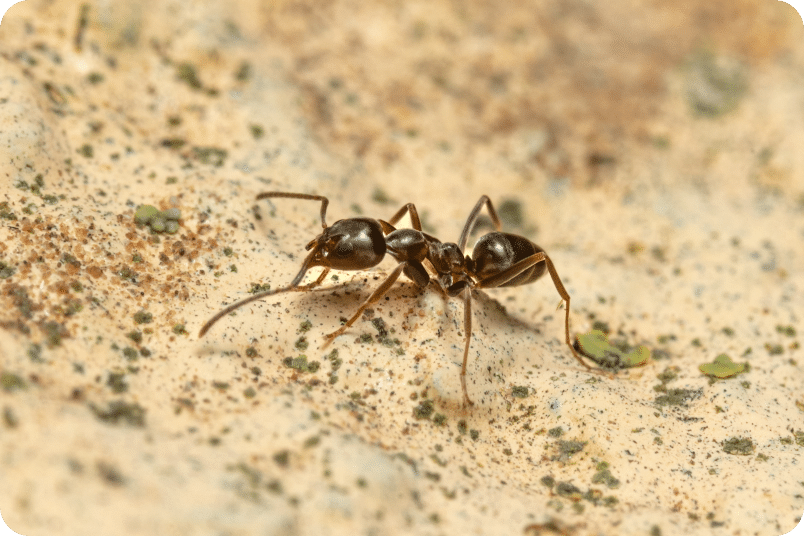
Close-Up Of An Odorous House Ant On A Textured Surface, Showing Its Shiny Brown Body And Long Antennae.

Odorous ants are particularly drawn to kitchens due to the abundance of food and water sources. Here are some common attractants:

Food Spills and Crumbs

Spilled food and crumbs on countertops, floors, and inside cabinets are major attractants for odorous ants. Even small amounts of food can draw them in.

Exposed Food

Leaving food out in the open, such as fruits, sweets, and leftovers, provides an easy meal for ants.

Standing Water

Odorous ants need water to survive. Leaky faucets, pet water bowls, and even damp dishcloths can attract them to your kitchen.

Dirty Dishes

Leaving dirty dishes in the sink or on the counter can attract odorous ants. The residue on plates and utensils is a food source for them.

Prevention Tips
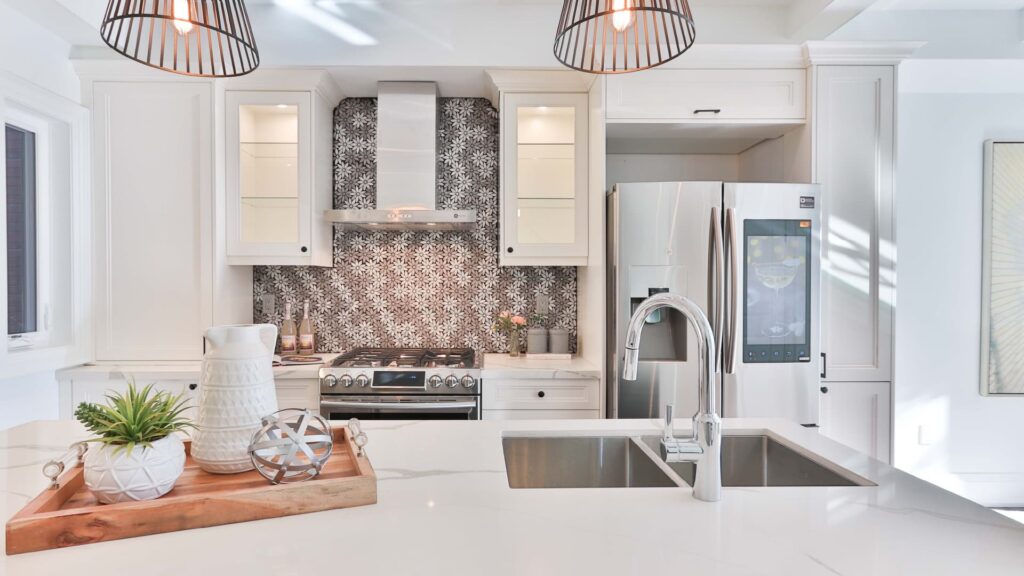
Modern Kitchen With White Cabinets, Stainless Steel Appliances, And A Decorative Tile Backsplash, Featuring A Wooden Tray With Decorative Items On The Countertop.

Preventing odorous ants in the kitchen requires a combination of cleanliness and strategic deterrents. Here are some effective tips:

Maintain Cleanliness

Keeping your kitchen clean is the most effective way to prevent odorous ants.

  • Wipe down surfaces: Regularly clean countertops, stovetops, and tables to remove food particles and spills.
  • Sweep and mop floors: Do this daily to ensure no crumbs or spills are left behind.
  • Clean under appliances: Food can accumulate under appliances like stoves and refrigerators. Make sure to clean these areas too.

Store Food Properly

Proper food storage can significantly reduce the risk of attracting ants.

  • Use sealed containers: Store food, especially sugary and greasy items, in airtight containers.
  • Refrigerate perishables: Keep fruits and other perishables in the fridge to avoid attracting ants.
  • Cover pet food: If you have pets, make sure their food is covered and stored.

Fix Leaks and Eliminate Water Sources

Water is essential for ants. By eliminating water sources, you can deter them from entering your kitchen.

  • Repair leaks: Fix any leaky faucets, pipes, or fixtures promptly.
  • Dry sinks and counters: After use, ensure sinks and counters are dry.
  • Empty pet bowls: Change water in pet bowls frequently, and avoid leaving them out overnight.

Regularly Dispose of Garbage

Ants are attracted to garbage due to the food waste it contains.

  • Use sealed trash cans: Make sure to use sealed trash cans with tight-fitting lids to keep your trash secure.
  • Empty trash regularly: Do not let garbage accumulate, and take it out frequently.

Use Natural Deterrents

Using natural deterrents may help keep odorous ants away.

  • Vinegar and water solution: Wipe down surfaces with a mixture of vinegar and water. Ants dislike the smell of vinegar.
  • Essential oils: Peppermint, tea tree, and lemon essential oils can repel ants. Mix a few drops with water and spray around entry points.
  • Cinnamon and cloves: Placing these spices around your kitchen can deter ants due to their strong scents.

Keep Ants Out of Your Kitchen

You can keep ants out of your kitchen by maintaining cleanliness, storing food properly, eliminating water sources, and using natural deterrents. Regular inspections can also help catch issues early. However, a serious ant infestation may require professional pest control services to properly deal with the issue. For expert assistance in dealing with odorous ants, contact Aptive..
Learn more about ants

10 Fascinating Facts about Queen Ants 12 Preventive Tips to Eliminate Odorous Ants for Homeowners 3 Essential Ant Prevention Strategies to Know for New Homeowners 3 Strange Adaptations That Help Ants Survive 3 Surprising Facts About Pavement Ants 3 Things That Attract Ants to Your Home & How to Prevent It 3 Unexpected Reasons Fire Ants Build Mounds in the Same Spot 4 Common Myths About Ant Infestations (And the Truth Behind Them) 5 Effective Measures on How to Prevent Ants in the Apartment A Detailed Guide to Fire Ant Control A Guide to Common Types of Ants: Identification, Behavior, and Risks Ant Lifespan Differences Between Workers and Queens Ant Trails: Learn Why They Always Return to Your House Ants in Electrical Outlets: Causes, Risks, and Fixes Ants Marching - Why Do Ants Walk in a Line? Are Ants Arthropods? Are Ants Nocturnal? Argentine Ant Supercolonies: Why Control Is Hard Argentine Ants vs. Odorous House Ants Asian Needle Ants Guide: What Are They and Are They Dangerous? Can Ants Feel Pain? Can Ants Harm Pets?: A Guide for Pet Owners Can Ants Really Lift 50 Times Their Body Weight? Can Ants Swim? Common Household Items That Attract Ants Do Ant Trails Really Work Like Highways? Fire Ants vs Pavement Ants: What Are the Differences? Ghost Ants 101: What Are Ghost Ants? Harvester Ants: Guide to Identification, Prevention, and Treatment How Ants Are Getting Into Your House And How to Stop Them How Argentine Ants Communicate to Form Supercolonies How Do Ant Colonies Divide Labor Without a Leader How Long Do Ants Live? How to Get Rid of Ants in the House and Keep Them Away How to Get Rid of Ants in the Kitchen How to Get Rid of Flying Ants: Identification & Control How to Identify, Prevent, and Treat Pharaoh Ant Infestations How to Tell if You Have an Ant Infestation or Just a Few Strays Little Black Ants vs Pavement Ants: What Are the Differences? Pavement Ants 101: What Are Pavement Ants? Pavement Ants in High-Traffic Outdoor Zones: What You Should Know Preventing Argentine Ants: Tips for Securing Your Home Against Invasion Termite Swarm or Just Flying Ants? Texas Bullet Ants 101: Where Do They Live and What Are They? The Differences Between Ants and Termites The Different Types of Ants The Role of Ant Queens in Colony Expansion The Strange Reason Ants Follow Dead Ant Trails Thief Ants vs. Pharaoh Ants: What Are the Differences What Are Army Ants and Where Are They Found? What Are Flying Ants? Homeowner's Guide to Dealing with These Pests What Attracts Ants to Your Home? What Do Ants Do at Night? What Do Odorous House Ants Smell Like? What Happens Inside an Ant Nest After Rainfall When Are Ants Most Active? Seasonal Changes and Their Impact Where Ants Live & How to Control Them Where Do Ants Lay Eggs? Where Do Pavement Ants Get Their Name? Which Ants Have Stingers and How Do They Work? Why Ants are Invading Your Home Why Are There Ants in My Bathroom and How to Get Rid of Them? Why Are You Seeing More Ants After Rain? Here's What to Know Why Do Ants Build Mounds? Why Do Ants Keep Coming Back? Why Do Ants Keep Showing Up in the Same Spot Every Morning Why Do Fire Ant Stings Burn? Why Do Some Ant Colonies Split Instead of Expanding? Why Do Some Ants Form Living Bridges with Their Bodies Why Store-Bought Ant Baits and Sprays Don't Work Why You Keep Seeing Ants in the Dishwasher Why You Shouldn't Squish Ants

Curated articles for you, from our pest experts.

A Detailed Image Of A Norway Rat Walking Across A Log Surrounded By Ivy And Dead Leaves In An Outdoor Setting.

The Top 6 Most Common Pests in Georgia

Georgia’s pest activity is shaped by a humid subtropical climate, long warm seasons, and a landscape that ranges from barrier islands and salt marshes to the rolling Piedmont and the Blue Ridge foothills.

Jan 21, 2026
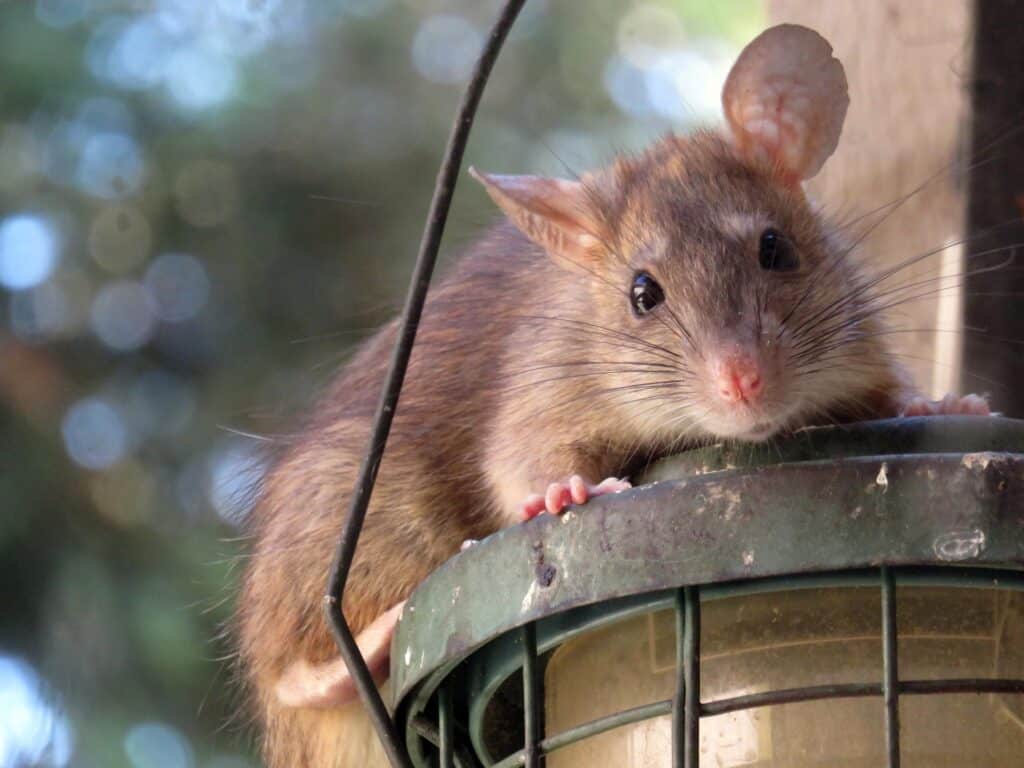
A Close-Up Image Of A Brown Roof Rat Perched On A Weathered Green Metal Lantern, With Its Large Ears, Long Whiskers, And Inquisitive Eyes Facing The Camera. The Background Is Softly Blurred With Dappled Light And Trees.

The Top 5 Most Common Pests in California

California's Mediterranean and semi-arid climates with mild winters, extended warm seasons, and diverse microclimates create ideal conditions for numerous pest species remaining active year-round...

Jan 19, 2026

Contact us.

Aptive has ant control experts in a city near you. Call us anytime.

ant control near me

Aptive has local ant control experts ready to serve you. Search for your zip code to find a branch in your area.

Get a quote

Aptive is here to help you build a personalized ant control plan based on your needs.

Take back your home with ant control today.