Call Now and Ask About the Spring Deal While it Lasts →

Call Now and Ask About the Spring Deal While it Lasts →

Sign-in to Account
Call Us

(855) 948-5816

aptive_logo-horizontal-snow

Find Service Area

The Essential Guide to Ants: Facts, Behaviors & Identification Tips

Learn how to identify and manage ants with our expert guidance, so you can take care of your home with confidence.

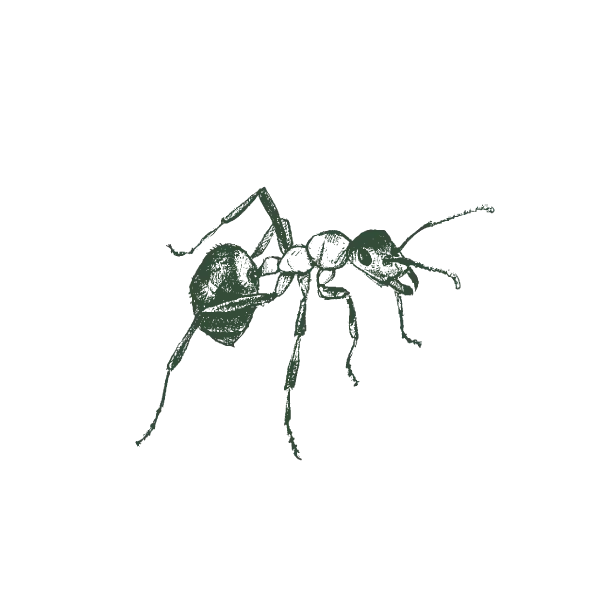
Illustration_of_a_harvester_ant
FAMILY FORMICIDAE

Ant facts every homeowner should know

Ant colonies can contain thousands of ants

What you see is only a small portion of the colony. Most ants live hidden in walls, soil, or foundations, which is why infestations can grow quickly if not addressed.

Ants use scent trails to find food

When one ant discovers a food source, it leaves behind a pheromone trail that guides others — leading to long lines of ants inside your home.

Food and moisture attract ants indoors

Crumbs, spills, pet food, and even small water sources like leaks or condensation can draw ants inside, especially during warmer months.
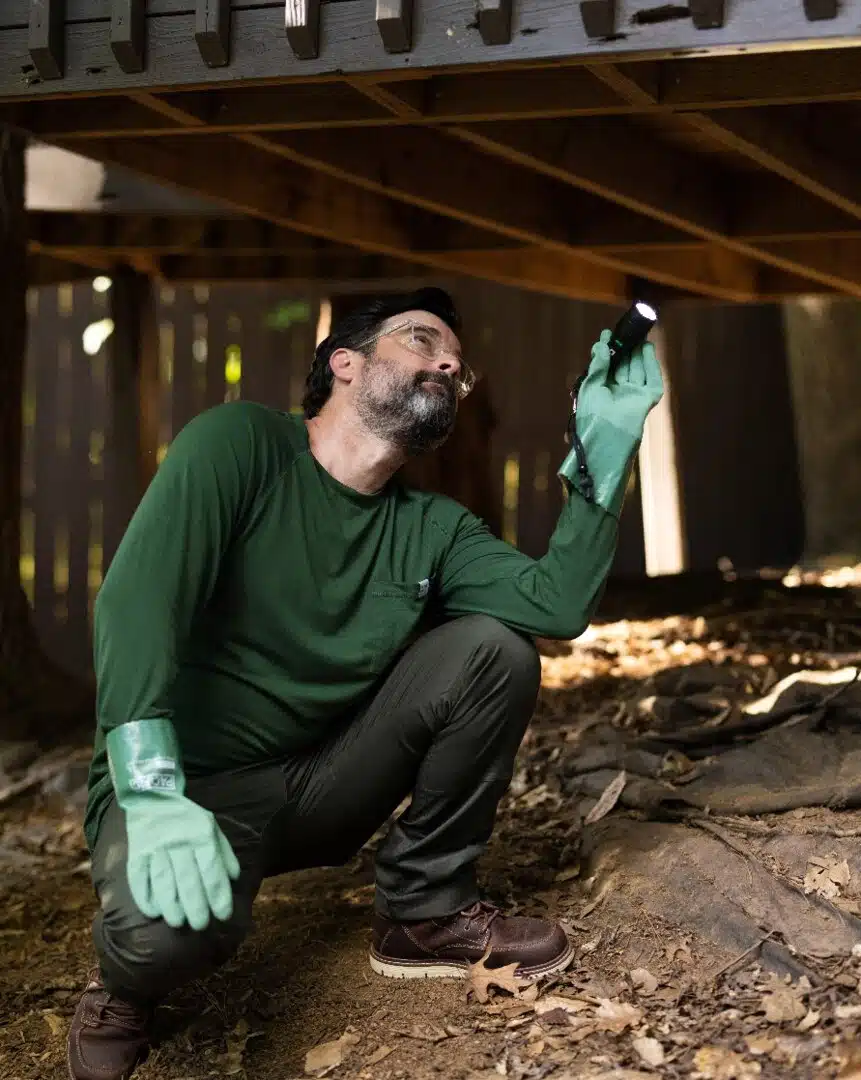
Aptive pest control specialist wearing gloves and holding a flashlight inspects the underside of a wooden structure.
ant treatment

How we handle ant control

Aptive’s ant control experts apply targeted treatments to areas where ants are most active, helping eliminate trails and reduce activity at the source. We take the time to identify entry points, nesting areas, and foraging patterns so ant treatment is placed where it will be most effective for your home and property.

Every home is different, which is why our ant control experts take a thoughtful, customized approach to ant control. We listen carefully to your concerns, inspect your property for signs of ant activity, and develop a targeted plan to help protect your home and yard. We’re dedicated to providing you with peace of mind so you can enjoy your home more comfortably. Connect with your local Aptive team for specialized ant control and experience our exceptional service with confidence.

Did you know? Some ant species can lift and carry objects up to 10–50 times their own body weight—making them one of the strongest insects relative to their size*.

If you’re dealing with ants in your home, give Aptive a call and let our team help you take your space back.

*Source: Arizona State University

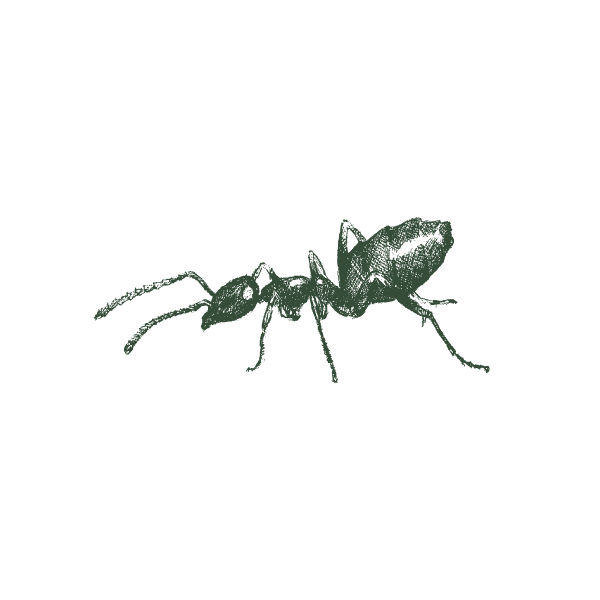
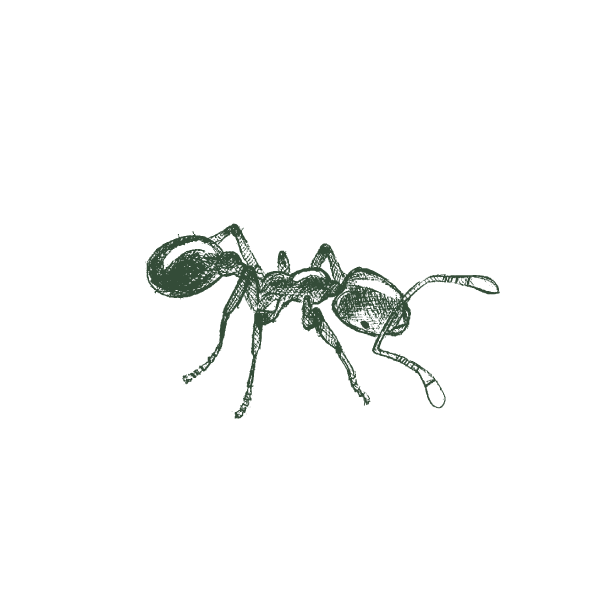
Illustration_of_a_harvester_ant
Identifying ants

What do ants look like?

Most ants are small insects with segmented bodies made up of a head, thorax, and abdomen, along with six legs and elbowed antennae. They typically range in color from black and brown to red or yellow, depending on the species. Common household ants are usually very small and can enter through tiny cracks and gaps around doors and windows. Their bodies are built for foraging and carrying food, often traveling in visible trails. Some ant species, like carpenter ants, are larger and may have more robust bodies, while others remain nearly microscopic in size.

What are signs of ant infestation?

The most obvious indicator of an infestation is the presence of active foraging trails, which are distinct lines of ants traveling toward food or water sources. You may also discover small mounds of soil or “ant hills” near foundation cracks or under baseboards, which signal a nearby colony.

What causes an ant infestation?

An ant infestation typically begins when ants find reliable sources of food, water, and shelter inside or around your home. Crumbs, spills, and improperly stored food can quickly attract foraging ants, while moisture from leaks or high humidity makes kitchens, bathrooms, and basements especially appealing. Small cracks in foundations, gaps around windows and doors, and other entry points allow ants easy access indoors. Ant infestations are more likely to develop when attractants and entry points are readily available.

How to get rid of an ant infestation?

To get rid of an ant infestation, begin by identifying where ants are entering and what is attracting them. Clean surfaces regularly, sweep floors, and store food in sealed containers to eliminate accessible food sources. Seal cracks and gaps around windows, doors, and foundations to block entry points, and address moisture issues by repairing leaks and reducing humidity. Ant bait stations placed near active trails can help control the colony over time by targeting the source. Aptive’s ant control services target severe or recurring infestations and provide lasting results with a plan tailored to your home.

ant FAQs

  • What types of ants are commonly found around homes?
  • How do Aptive's ant treatments help manage ant populations?
  • What can homeowners do to help minimize ant infestations?
  • How much does ant control cost?
  • Do ants bite?

Learn more about ants

10 Fascinating Facts about Queen Ants 12 Preventive Tips to Eliminate Odorous Ants for Homeowners 3 Essential Ant Prevention Strategies to Know for New Homeowners 3 Strange Adaptations That Help Ants Survive 3 Surprising Facts About Pavement Ants 3 Things That Attract Ants to Your Home & How to Prevent It 3 Unexpected Reasons Fire Ants Build Mounds in the Same Spot 4 Common Myths About Ant Infestations (And the Truth Behind Them) 5 Effective Measures on How to Prevent Ants in the Apartment A Detailed Guide to Fire Ant Control A Guide to Common Types of Ants: Identification, Behavior, and Risks Ant Lifespan Differences Between Workers and Queens Ant Trails: Learn Why They Always Return to Your House Ants in Electrical Outlets: Causes, Risks, and Fixes Ants Marching - Why Do Ants Walk in a Line? Are Ants Arthropods? Are Ants Nocturnal? Argentine Ant Supercolonies: Why Control Is Hard Argentine Ants vs. Odorous House Ants Asian Needle Ants Guide: What Are They and Are They Dangerous? Can Ants Feel Pain? Can Ants Harm Pets?: A Guide for Pet Owners Can Ants Really Lift 50 Times Their Body Weight? Can Ants Swim? Common Household Items That Attract Ants Do Ant Trails Really Work Like Highways? Fire Ants vs Pavement Ants: What Are the Differences? Ghost Ants 101: What Are Ghost Ants? Harvester Ants: Guide to Identification, Prevention, and Treatment How Ants Are Getting Into Your House And How to Stop Them How Argentine Ants Communicate to Form Supercolonies How Do Ant Colonies Divide Labor Without a Leader How Long Do Ants Live? How to Get Rid of Ants in the Kitchen How to Identify, Prevent, and Treat Pharaoh Ant Infestations How to Tell if You Have an Ant Infestation or Just a Few Strays How to Treat and Control Flying Ants Little Black Ants vs Pavement Ants: What Are the Differences? Pavement Ants 101: What Are Pavement Ants? Pavement Ants in High-Traffic Outdoor Zones: What You Should Know Preventing Argentine Ants: Tips for Securing Your Home Against Invasion Termite Swarm or Just Flying Ants? Texas Bullet Ants 101: Where Do They Live and What Are They? The Differences Between Ants and Termites The Different Types of Ants The Role of Ant Queens in Colony Expansion The Strange Reason Ants Follow Dead Ant Trails Thief Ants vs. Pharaoh Ants: What Are the Differences What Are Army Ants and Where Are They Found? What Are Flying Ants? Homeowner's Guide to Dealing with These Pests What Attracts Ants to Your Home? What Do Ants Do at Night? What Do Odorous House Ants Smell Like? What Happens Inside an Ant Nest After Rainfall When Are Ants Most Active? Seasonal Changes and Their Impact Where Ants Live & How to Control Them Where Do Ants Lay Eggs? Where Do Pavement Ants Get Their Name? Which Ants Have Stingers and How Do They Work? Why Ants are Invading Your Home Why Are Ants in the Shower and How to Prevent Them from Entering Why Are You Seeing More Ants After Rain? Here's What to Know Why Do Ants Build Mounds? Why Do Ants Keep Coming Back? Why Do Ants Keep Showing Up in the Same Spot Every Morning Why Do Fire Ant Stings Burn? Why Do Some Ant Colonies Split Instead of Expanding? Why Do Some Ants Form Living Bridges with Their Bodies Why Odorous Ants Love Your Kitchen: Attraction Factors and Prevention Tips Why You Keep Seeing Ants in the Dishwasher Why You Shouldn't Squish Ants

Contact us.

Aptive has ant control experts in a city near you. Call us anytime.

ant control near me

Aptive has local ant control experts ready to serve you. Search for your zip code to find a branch in your area.

Get a quote

Aptive is here to help you build a personalized ant control plan based on your needs.

Take back your home with ant control today.