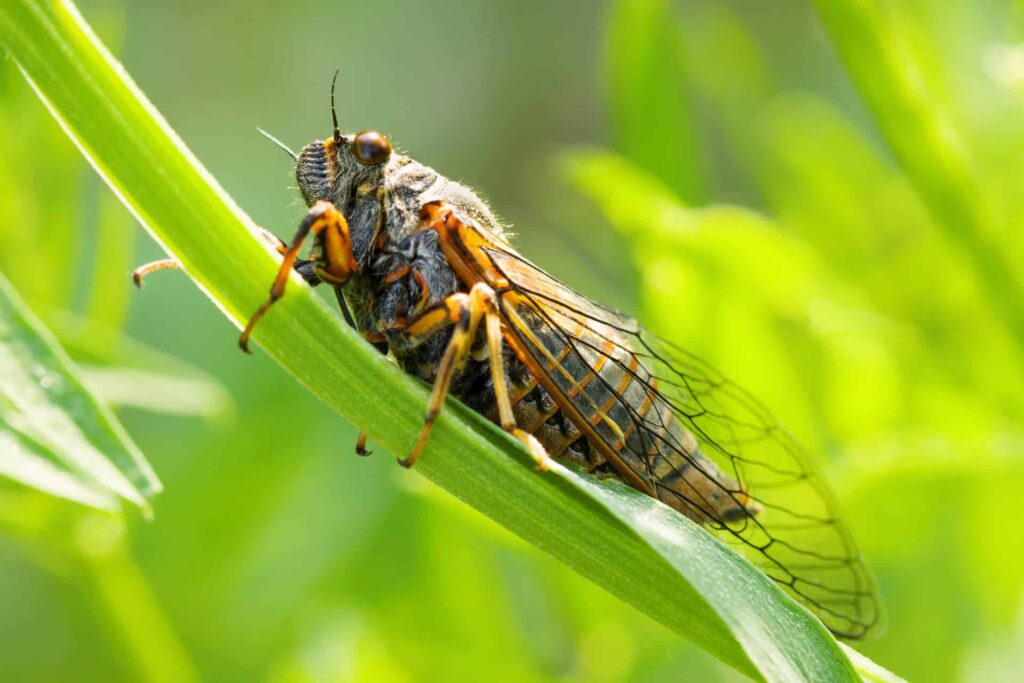
Army ants are fascinating nomadic predators representing some of the most remarkable social insects on Earth, with massive colonies containing millions of individuals conducting coordinated raids consuming virtually any animal unable to escape their path.
These legendary insects inspire both scientific fascination and popular fear through their dramatic hunting behavior, temporary bivouac nests made from their own bodies, and ability to overwhelm prey through sheer numbers and relentless attack strategies.
While army ants aren’t found in the United States and don’t pose threats to most people, their remarkable adaptations and social organization make them among nature’s most intriguing insects.
What are army ants?
Army ants are nomadic predatory ants belonging to several subfamilies including Dorylinae (Old World) and Ecitoninae (New World), characterized by massive colonies, lack of permanent nests, and coordinated mass foraging raids. These ants are obligate group predators, meaning they hunt cooperatively in large numbers rather than as individuals.
Colonies contain 100,000 to over 20 million workers depending on species, with single queens producing all offspring. Army ants alternate between nomadic phases when colonies march daily and stationary phases when queens lay eggs and colonies temporarily settle in bivouacs—temporary nests formed from workers’ interlocked bodies.
What do army ants look like?
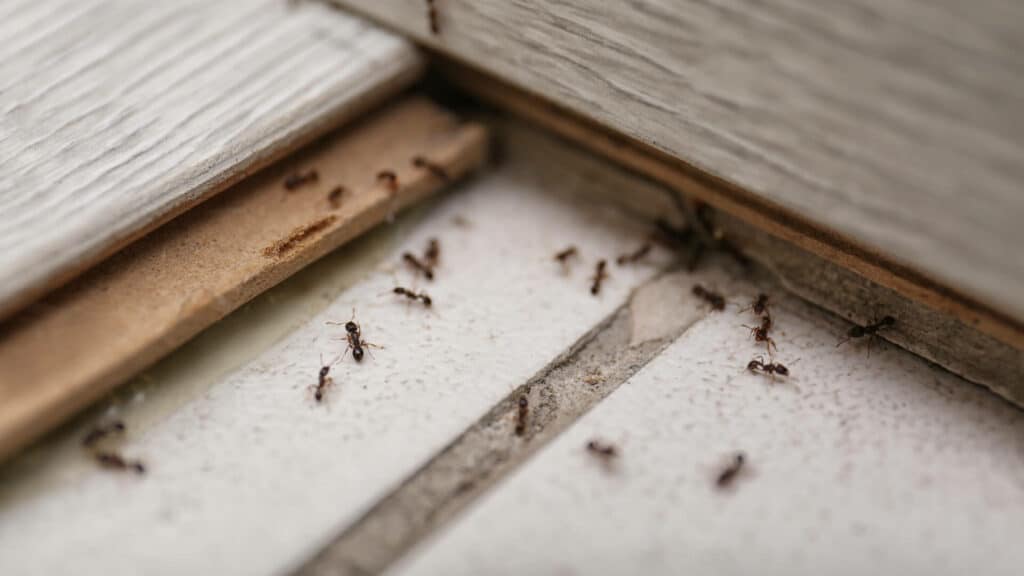
Army ant workers vary considerably in size and appearance depending on species and caste, ranging from 3mm minor workers to 12mm major workers with enlarged heads and powerful mandibles. Most species are tan, brown, or reddish-brown, though some are darker. Workers are typically blind or nearly blind with reduced eyes, using chemical trails and tactile communication rather than vision.
Their bodies are slender with long legs adapted for running, and large mandibles designed for grasping and cutting prey. Queens are distinctively different—enormous, wingless, and with massively enlarged abdomens capable of producing thousands of eggs daily during reproductive phases.
Where are army ants found?
Army ants are exclusively tropical and subtropical insects found in warm regions worldwide but absent from temperate zones including the United States and Europe. New World army ants (Ecitoninae) occur throughout Central and South America from Mexico to Argentina, thriving in rainforests, cloud forests, and tropical dry forests. The most studied genus, Eciton, is found throughout these regions with various species adapted to different elevations and forest types.
Old World army ants (Dorylinae) occur throughout sub-Saharan Africa, tropical Asia, and parts of Australia and New Guinea. African driver ants (Dorylus species) are the most famous Old World army ants, creating massive raiding columns through forests and savannas.
Army ants require consistently warm temperatures year-round, restricting their distribution to tropical regions. They’re most diverse and abundant in lowland rainforests but occur in various tropical habitats from sea level to cloud forests at high elevations. No true army ant species are native to or established in the continental United States, though related nomadic ants occur in southwestern deserts. Reports of “army ants” in the U.S. typically involve other ant species exhibiting mass foraging behavior.
Lifecycle of an army ant
Army ant colonies exhibit unique cyclical lifecycles alternating between nomadic and stationary phases synchronized with queen reproduction. During stationary phases lasting approximately three weeks, colonies establish temporary bivouacs where queens lay 100,000-300,000 eggs. Workers care for developing broods while conducting smaller foraging raids from the bivouac site. As eggs develop into larvae and previous generation pupae begin emerging as adults, colonies transition to nomadic phases.
During nomadic phases lasting 2-3 weeks, colonies march daily to new locations, carrying developing larvae while conducting massive raids. Queens stop laying eggs and their abdomens shrink, allowing movement. Workers carry all broods, the queen, and any food captured during daily migrations covering 100-200 meters. Raids emanate from temporary bivouac sites established each evening.
When larvae pupate, colonies return to stationary phases and the cycle repeats. This alternation continues throughout colony life, which can span decades. New colonies form through fission when old queens die or colonies grow too large, with workers dividing into groups each supporting a new queen produced during reproductive swarming events. This unique lifecycle synchronizes colony movement with brood development, ensuring adequate food provision throughout development.
Are army ants dangerous?
Army ants pose minimal danger to healthy humans who can simply walk away from approaching columns, though they can be dangerous to immobilized, very young, sick, or sleeping individuals unable to escape. Their painful bites and overwhelming numbers create risks when people cannot move.
Stories of army ants killing humans are largely exaggerated, with documented cases being extremely rare and typically involving incapacitated individuals. However, army ants readily attack and can kill tethered livestock, caged animals, and nesting birds unable to flee, demonstrating their lethal capability against immobile victims.
Can army ants bite humans?
Yes, army ants readily bite humans when contacted, using powerful mandibles that lock onto flesh causing painful, burning sensations. Unlike many ants, army ants don’t sting but bite persistently and aggressively. Major workers have particularly strong mandibles capable of drawing blood.
Bites cause immediate pain and can remain attached even when ants’ bodies are pulled away, as mandibles lock in place. While individual bites aren’t medically serious, multiple simultaneous bites from swarming workers attacking en masse create painful experiences and potential allergic reactions in sensitive individuals requiring prompt removal and medical attention if severe.
What damage do army ants cause?
Army ants cause minimal structural or agricultural damage, with their impact being primarily through predation on other animals rather than property destruction. Beneficial pest control occurs when army ant raids eliminate cockroaches, spiders, scorpions, and other household pests from structures in their path, providing temporary natural pest suppression. Agricultural impacts are generally positive as raids reduce pest insect populations in crops.
Livestock concerns arise when army ants attack tethered or confined animals unable to escape, potentially killing young, weak, or immobilized livestock. Poultry in coops are particularly vulnerable. Wildlife predation affects ground-nesting birds, small mammals, and reptiles caught in raid paths, though mobile animals simply move away.
Property intrusion causes alarm when columns march through yards or temporarily through buildings, though they pass through within hours and don’t establish permanent nests or cause structural damage. Human displacement occurs in tropical regions where residents temporarily evacuate homes when major raids pass through, returning after columns move on.
Army ants don’t damage buildings, don’t consume stored foods or materials, and don’t create the ongoing infestations associated with pest ants, making their impact transient rather than persistent despite their dramatic appearance and behavior.
Why do army ants rip their queens apart?
Army ant workers don’t intentionally “rip queens apart” but rather carry queens during nomadic phases by gripping various body parts, which can appear violent. During colony migrations, workers transport queens by grasping legs, antennae, and body segments, sometimes pulling in different directions creating the appearance of dismemberment.
This is normal transport behavior rather than aggression. However, when colonies produce new queens and undergo fission (splitting), workers may kill surplus queens through coordinated attacks, though this isn’t “ripping apart” but rather elimination of competing reproductives to establish new colonies with single queens.
What attracts army ants?
Army ants aren’t attracted to properties in traditional pest ant fashion but rather encounter areas during nomadic marching and raiding behavior following prey availability. High arthropod populations including insects, spiders, and other invertebrates attract raids as ants follow prey concentrations.
Leaf litter and debris harboring prey insects create favorable raiding habitat. Moisture and humidity in tropical environments support both army ants and their prey. Army ants don’t seek human food, aren’t attracted to sugars or proteins in kitchens, and don’t establish permanent nests on properties, making “attraction” less relevant than for pest ants establishing colonies near resources.
How to know if you have an army ant infestation
Army ant “infestations” are temporary intrusions rather than permanent establishments since these nomadic ants don’t nest in structures:
- Massive ant columns marching: You might see rivers of thousands to millions of ants moving in coordinated columns across ground, up trees, or occasionally through buildings.
- Aggressive worker ants biting: It’s common to experience numerous painful bites if contacting marching columns or raid fronts as workers attack defensively.
- Distinctive bivouac formations: It’s common to observe temporary nest structures made from interlocked worker bodies forming masses in protected locations during stationary phases.
- Wildlife fleeing area: You might notice birds, insects, lizards, and other animals rapidly moving away from areas as army ant raids approach.
- Strong formic acid odor: It’s common to detect distinctive chemical smell from defensive secretions released by disturbed army ant workers during raids.
How to prevent an army ant infestation
Preventing army ant intrusions in tropical regions where they occur requires awareness and temporary barriers rather than permanent control:
- Create physical barriers temporarily: Use water moats, petroleum jelly barriers, or temporary fencing around homes when columns approach, as ants avoid crossing certain barriers.
- Remove attractants like livestock: Temporarily relocate tethered animals, caged poultry, or pets when army ant columns approach to prevent attacks on immobilized animals.
- Maintain awareness in endemic areas: Learn to recognize approaching columns early through local knowledge and visual detection, allowing time for protective measures.
- Accept temporary intrusions: Recognize army ant passage is brief and can provide beneficial pest elimination, with columns typically moving through within 24 hours.
- Avoid permanent nesting sites: Don’t build structures directly on major army ant routes if local knowledge indicates regular passages, though unpredictability makes this difficult.
When to contact the professionals
If you’re unsure what kind of ants you’re dealing with, or you’re seeing repeated trails along foundations, patios, or entry points, a pest control professional can help clarify what’s happening and what to do next. Aptive technicians can identify the ant species present in your area, look for conditions that are drawing them toward your home, and recommend a treatment plan focused on accessible interior and exterior zones.
If ant activity around your home is growing, you’re seeing trails returning after DIY efforts, or you simply want expert guidance on ant control where you live, reach out to Aptive for a free quote. Our technicians can provide clarity on the type of ants you have and practical next steps for reducing their impact on your home.
Army Ant FAQs
Here are some commonly-asked questions from homeowners about army ants.
Q: Are army ants strong?
Yes, army ants are remarkably strong relative to their size, with individual workers capable of carrying prey many times their own body weight while navigating difficult terrain. Major workers possess powerful mandibles that can pierce tough insect exoskeletons and grip flesh with tremendous force, remaining locked even when their bodies are removed.
However, army ants’ true strength lies in collective action rather than individual power—millions of workers cooperating can overwhelm and dismember prey thousands of times larger than individual ants, including snakes, lizards, and small mammals. Their coordinated group hunting strategy and sheer numbers make army ant colonies among the most formidable predators in tropical ecosystems despite individual ants’ small size.
Q: What happens if army ants bite you?
Army ant bites cause immediate sharp, burning pain as powerful mandibles pierce and grip skin. The bite site typically develops redness, swelling, and continued discomfort lasting hours to days depending on individual sensitivity. Unlike stinging ants, army ants don’t inject venom but their mandibles lock onto flesh so tenaciously that ants must be carefully removed or their bodies pulled away leaving mandibles embedded in skin.
Q: Is it okay to squish an army ant?
Killing individual army ants is generally discouraged for several reasons. Crushing army ants releases alarm pheromones that alert nearby workers, potentially triggering aggressive defensive behavior from surrounding colony members and escalating rather than reducing problems. Army ants play crucial ecological roles as predators controlling pest insect populations, making their conservation valuable.